

A waste management plan is the document that turns good intentions into assigned tasks, and knowing how to prepare one properly is one of the most useful skills on an oilfield project. This guide walks through the sections a plan typically needs: scope, waste inventory, responsibilities, storage, transport, treatment and disposal, records, and review. It is written for project managers and HSE leads in Uganda who need a plan that crews can actually follow and that will stand up to an inspection.
What a waste management plan is for
A plan answers a few direct questions. What waste will this project produce? Who is responsible for each stage? Where will it be stored, how will it move, and who will treat or dispose of it? How will we prove that all of this happened as described? If the document cannot answer those questions in plain terms, it is not yet a working plan.
Regulators, clients and auditors will expect a plan that reflects the National Environment Act and NEMA requirements, together with any conditions attached to the project's approvals. Operators should confirm current requirements with the regulator and with the Petroleum Authority of Uganda where relevant. The plan should also be consistent with the project's ESIA commitments, described in ESIA explained for oil and gas projects.
Define the scope and the waste inventory
Start by stating what the plan covers: which sites, which phases (drilling, construction, production, decommissioning), which contractors and which time period. Then build the waste inventory. For each expected stream, record its source, likely quantity, physical form, main hazards and whether it is expected to be hazardous or non-hazardous.
Estimates will be imperfect before work begins, and that is acceptable if they are labelled as estimates and updated as real data arrive. Where the nature of a stream is unclear, plan for characterisation early. The inventory is also where you apply the waste management hierarchy: note, stream by stream, what can be avoided, reused or recovered before treatment and disposal are considered.
Assign responsibilities
Plans fail most often because nobody owns a task. Name roles, not just departments: the person accountable for the plan, the site waste coordinator, shift supervisors, the transport contractor's representative and the treatment contractor's contact. State what each does, what they sign and who they report to.
It helps to include a short contact and escalation list in the plan itself, covering the operator, contractors, NEMA contact points where appropriate, and emergency services. Training needs for each role should also be stated, so that the plan links to real preparation and not only to paper.
Storage, labelling and handling on site
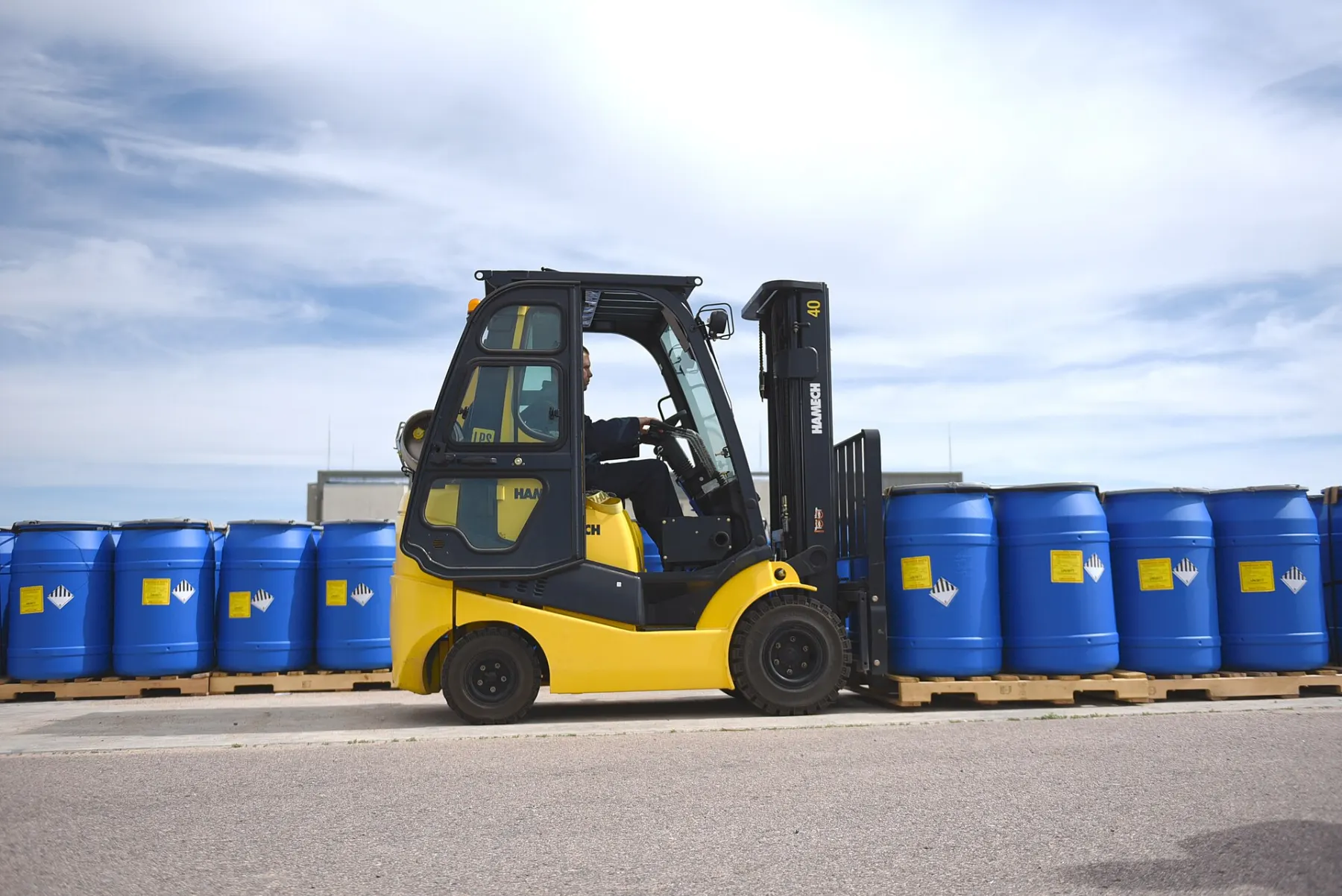
Describe how each stream will be held before collection. A practical plan states the type of container or area, the location, protection against spills and rain, labelling, maximum storage time and inspection frequency. Hazardous waste normally needs secure, contained and clearly marked storage, with arrangements to prevent mixing of incompatible materials.
Useful items to include in this section are:
- a site layout showing waste storage areas, away from drains, watercourses and living areas
- container types and labels for each stream
- inspection checklists with frequency and who signs them
- spill response arrangements at storage points, linked to emergency response for oil spills
Transport, treatment and disposal
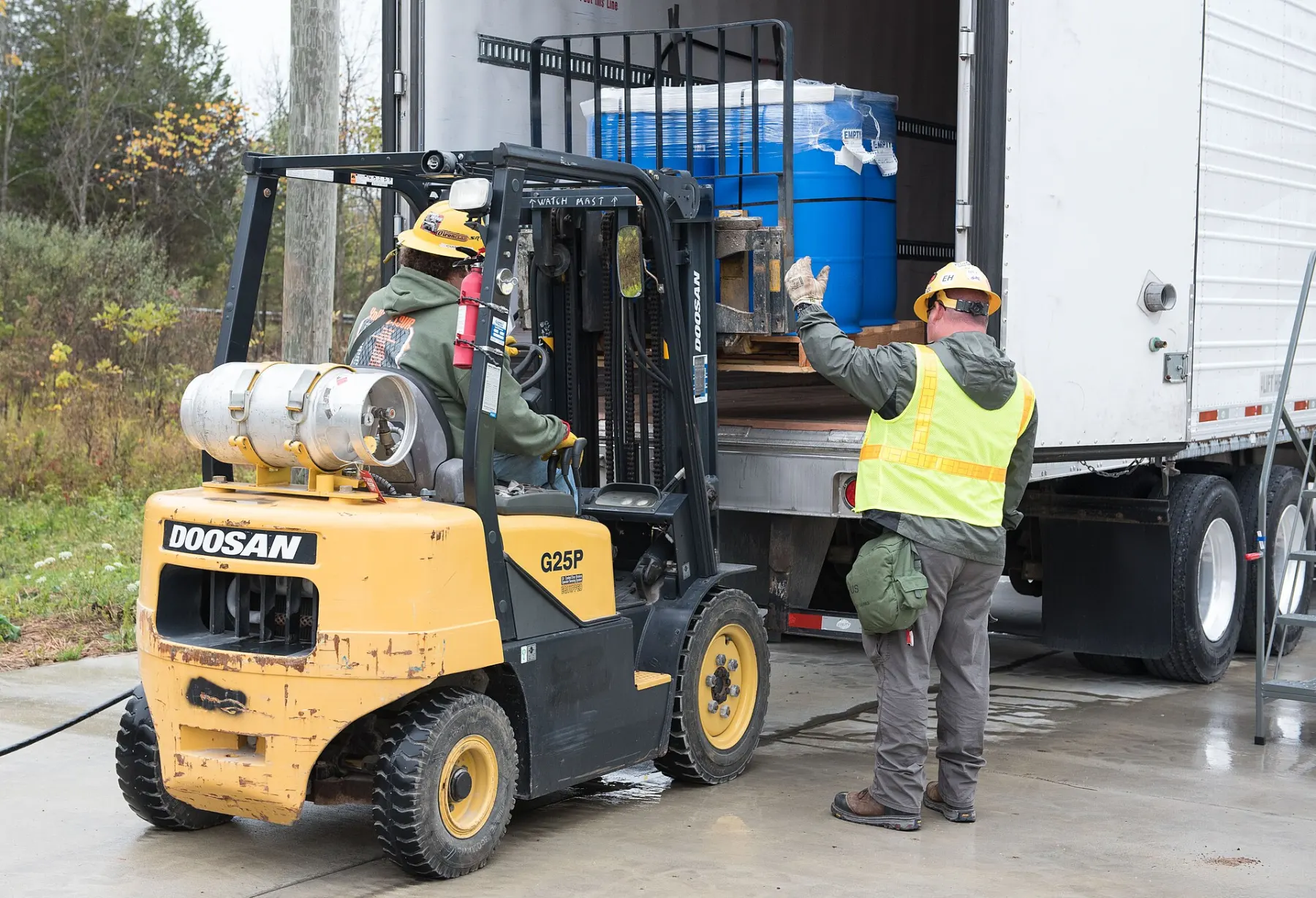
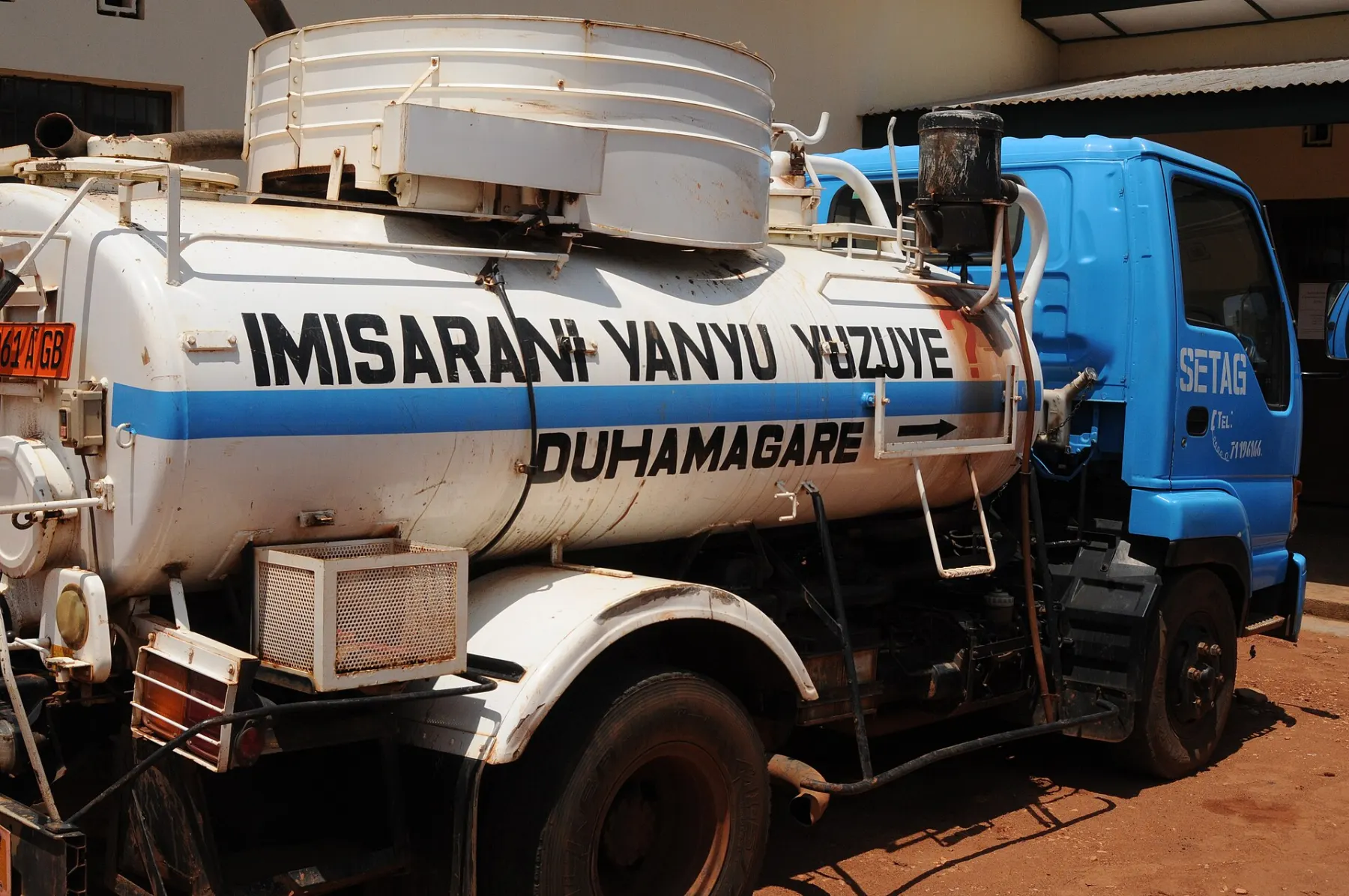
State how waste will leave the site and who is allowed to move it. Transport of hazardous waste should use appropriately licensed carriers, suitable vehicles, trained drivers and documentation that travels with the load. See safe transport and handling of hazardous waste for what that involves.
Then identify the treatment or disposal route for each stream, and the facility that will receive it, along with the licences that facility holds. Operators should verify those licences instead of relying on a statement. The guide to choosing a licensed waste contractor lists the checks. The plan should also say what happens if the primary route is unavailable, so that waste does not accumulate on site.
Records, reporting and review
Records are the evidence that the plan was followed. Specify which documents are used (waste transfer or consignment notes, weighbridge tickets, treatment and disposal certificates, inspection logs), who completes them, where they are kept and for how long. The structure of a good trail is described in waste tracking and documentation.
Reporting should be proportionate: a regular summary of quantities by stream, incidents and corrective actions, and progress against reduction and recovery goals. Finally, set review triggers. Review the plan at regular intervals and whenever something material changes, such as a new waste stream, a change of contractor, a change in regulation or an incident. A plan that is never revised soon stops matching what is happening on site.
A practical test of any draft plan is to hand it to a shift supervisor who has not seen it before and ask them to explain what they would do with a drum of used oil. If they can find the answer within a minute or two, the plan is usable. If they cannot, simplify the layout, shorten the text and put the key instructions on one page that can be posted at storage areas.
Final thoughts
Responsible operators treat the waste management plan as a living working document: specific, owned, tested against reality and updated. White Nile Consults supports operators with treatment and disposal through its Waste Water Treatment & Disposal and Solid Waste Treatment & Disposal services, and can discuss how a plan's waste routes would work in practice. If you are preparing a plan and would like a practical conversation about it, please contact the team.
Comments
No comments yet. Be the first to share your thoughts.