In environmental management and infrastructure development, quality and compliance are not administrative formalities. They are operational safeguards that protect public health, ecosystems, investments, and institutional reputation. Organisations that treat compliance as a checkbox often expose themselves to regulatory penalties, operational disruptions, and reputational damage. Those that integrate quality into their systems build resilience and long-term credibility.
At White Nile Consult Ltd, quality and compliance are embedded into every project lifecycle—from feasibility assessment and design to implementation and monitoring.
Understanding Quality in Environmental Projects
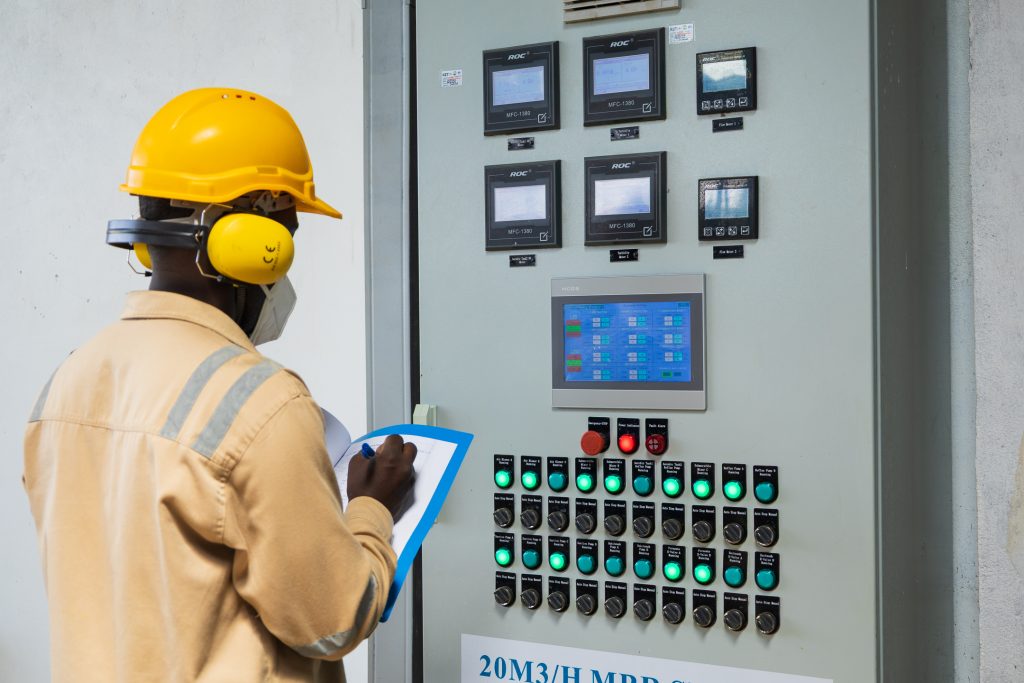
Quality in environmental services means delivering technically sound, durable, and performance-driven solutions. It involves proper system design, adherence to engineering standards, use of appropriate technologies, and continuous performance evaluation.
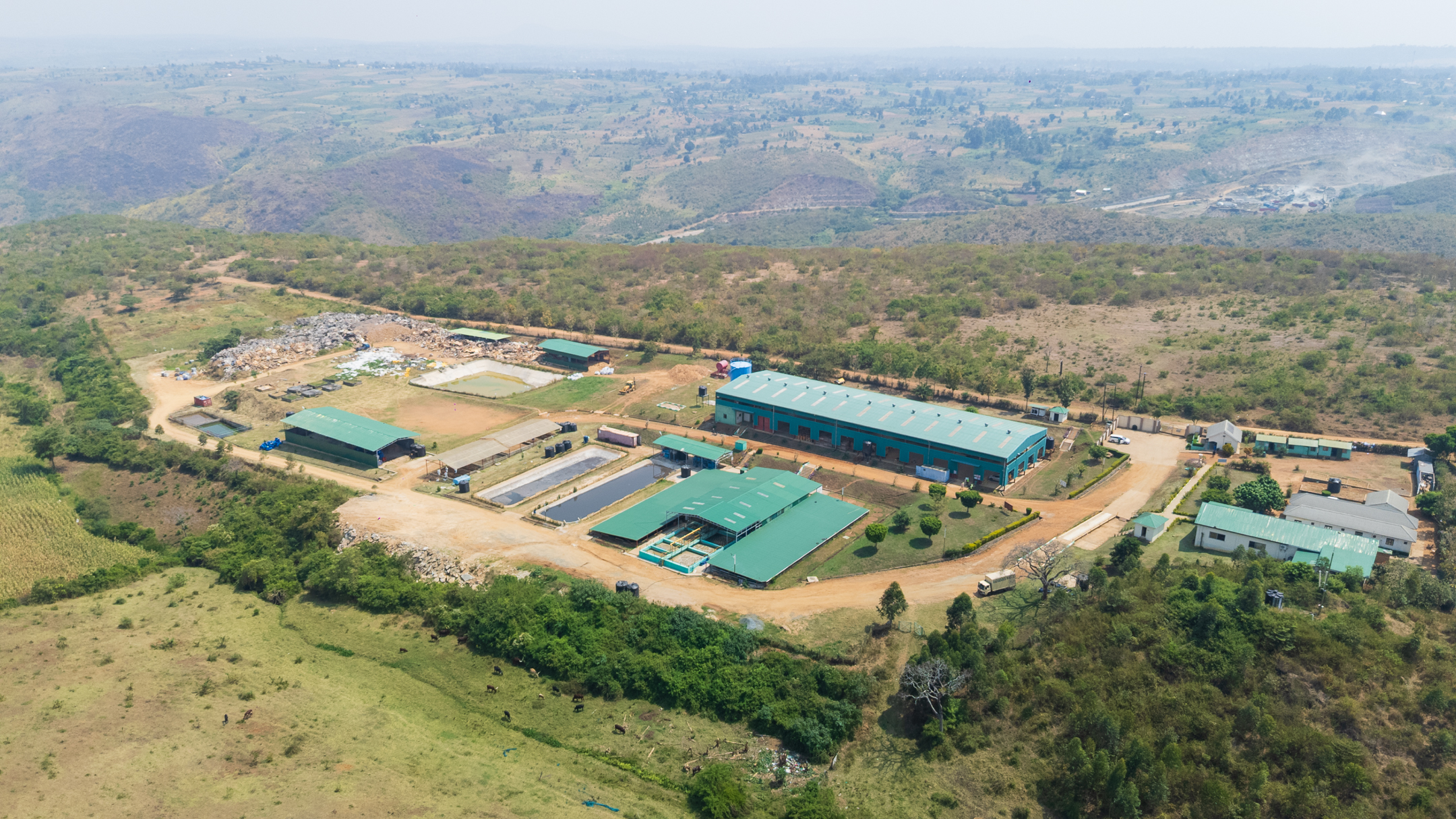
In wastewater treatment, quality translates into systems that consistently meet effluent discharge standards. In solid waste management, it means safe handling procedures, proper containment, and environmentally secure disposal. In waste valorization initiatives, quality ensures recovered materials meet market and safety specifications.
Without structured quality control, even well-funded projects can fail due to design inefficiencies, poor installation practices, or inadequate monitoring frameworks.
The Role of Compliance
Compliance refers to alignment with national environmental regulations, municipal bylaws, industry standards, and international best practices. In Uganda, environmental operations must meet statutory requirements set by regulatory authorities, and failure to comply can result in fines, operational suspension, or legal action.
However, compliance should not be viewed solely as risk avoidance. It is also a strategic advantage. Institutions that demonstrate regulatory alignment are more attractive to investors, development partners, and environmentally conscious clients. Strong compliance frameworks strengthen ESG reporting, improve stakeholder confidence, and position organisations competitively in regulated markets.
Integrating Quality and Compliance
Quality and compliance are interdependent. A technically weak system will eventually fail compliance tests. Conversely, a compliance-driven approach without quality assurance may satisfy documentation requirements but underperform operationally.
Effective integration involves:
- Conducting environmental audits before project execution
- Designing systems based on verified data and regulatory thresholds
- Establishing internal monitoring and reporting protocols
- Maintaining proper documentation and traceability
- Periodically reviewing performance against statutory benchmarks
This structured approach reduces operational risk and enhances system reliability.
Long-Term Value Creation
Organisations that invest in quality and compliance experience fewer regulatory interruptions, lower maintenance costs, improved operational efficiency, and stronger brand credibility. They also contribute to national sustainability goals and responsible resource management.
Environmental management is not only about solving today’s problem; it is about ensuring tomorrow’s resilience. By prioritising quality and regulatory alignment, institutions protect both their investments and the communities they serve.
At White Nile Consult Ltd, we believe that sustainable development begins with disciplined systems, regulatory integrity, and uncompromising technical standards. Quality and compliance are not optional add-ons—they are the framework upon which responsible environmental solutions are built.