

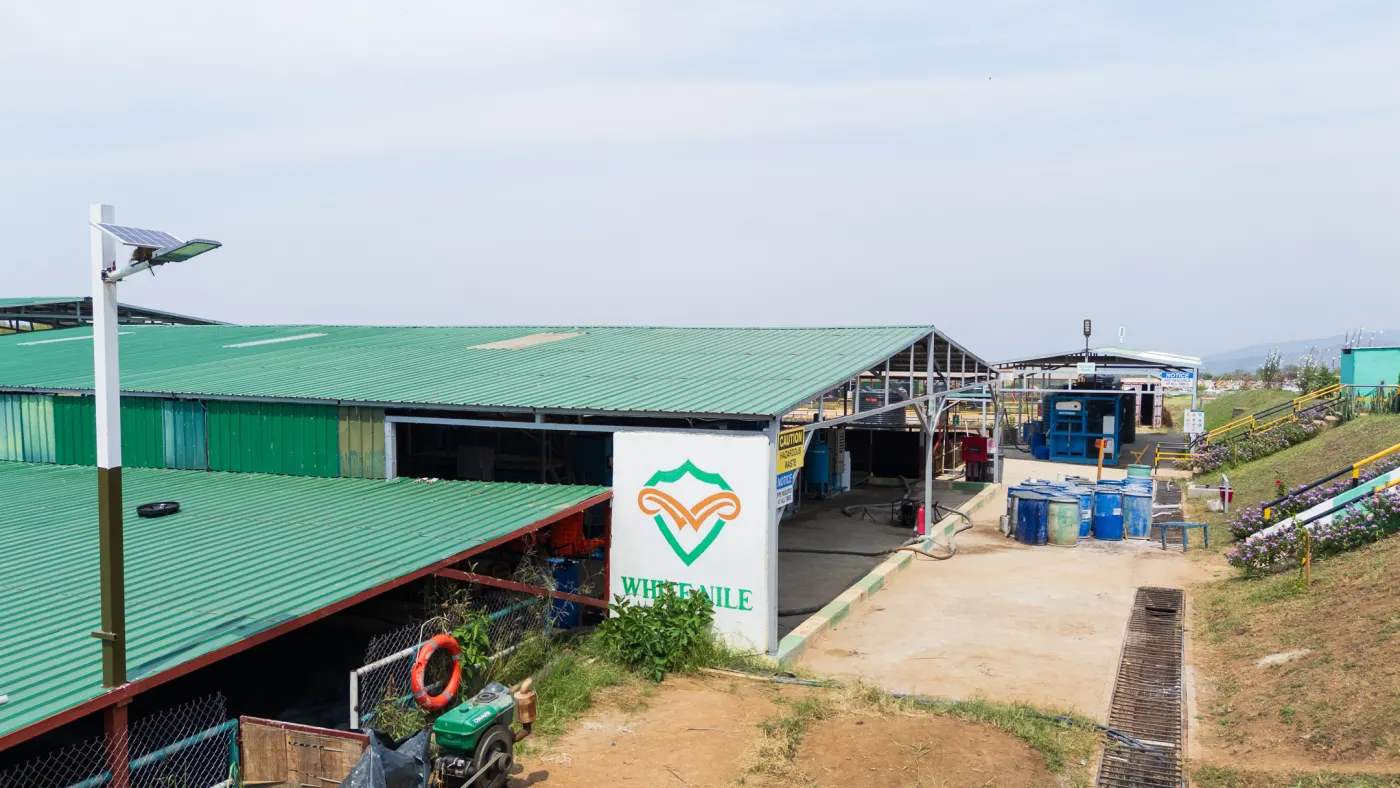
The waste treatment facility in Kikuube District is the operational base of White Nile Consults, a 110-acre site in the Albertine Graben that the company owns and operates. This article describes what the facility does, the capacity it offers, the systems and licences behind it, and why a licensed treatment site close to the oilfield is useful for operators planning drilling and production work.
A waste treatment facility in Kikuube built for oilfield waste
White Nile Consults was incorporated on 18 November 2011 and has operated as a specialised environmental and oilfield waste company since 2012. The Kikuube site is where its treatment work is concentrated. Located in the Albertine Graben, it sits close to the areas where oil and gas activity takes place, which means waste does not have to travel across the country to be treated.
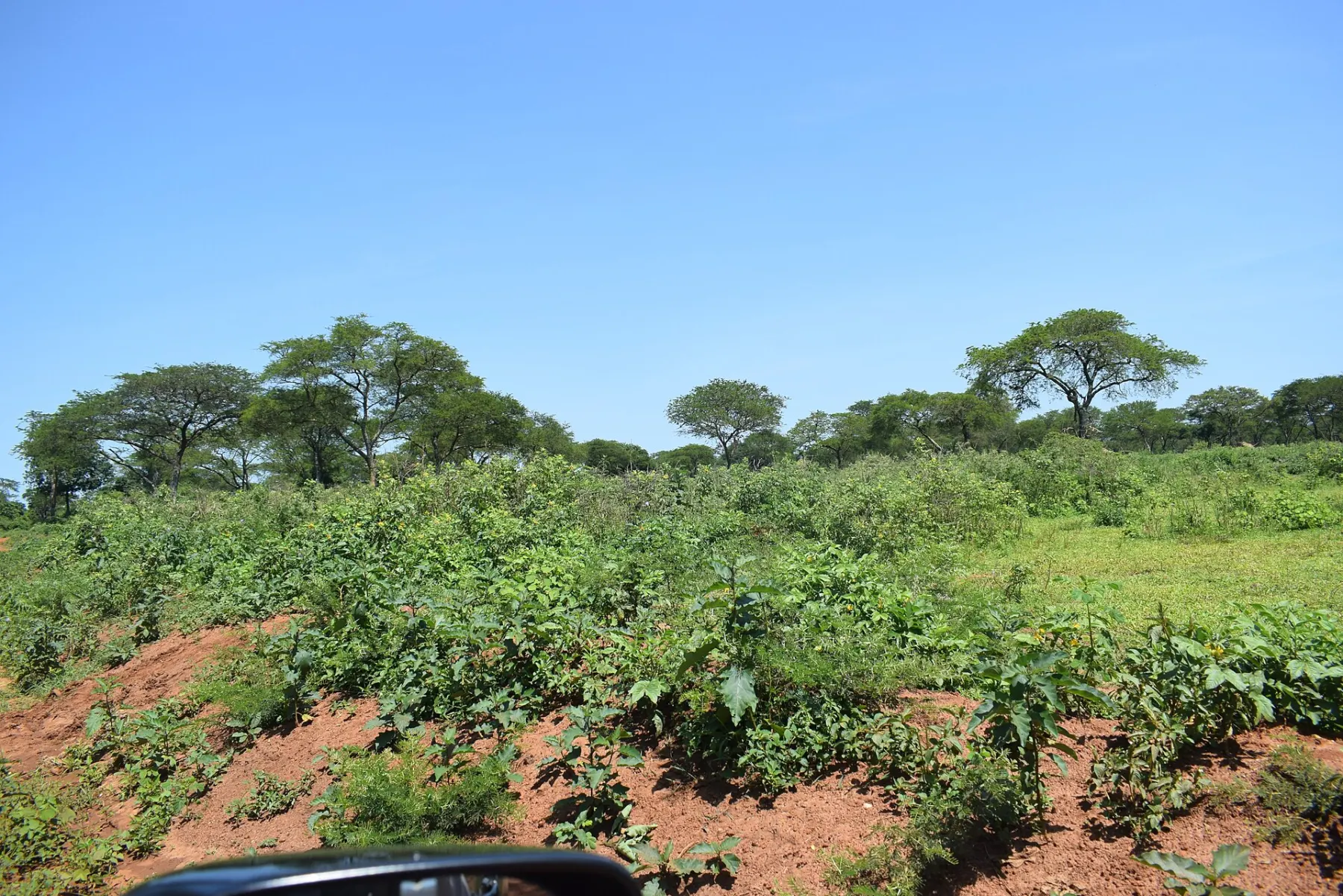
The size of the site, at 110 acres, allows treatment areas, waste reception, storage and water treatment to be arranged with room for operations and for the controls a hazardous waste facility needs. The region is ecologically sensitive, which is part of why a controlled, licensed site matters.
Capacity for drilling campaigns
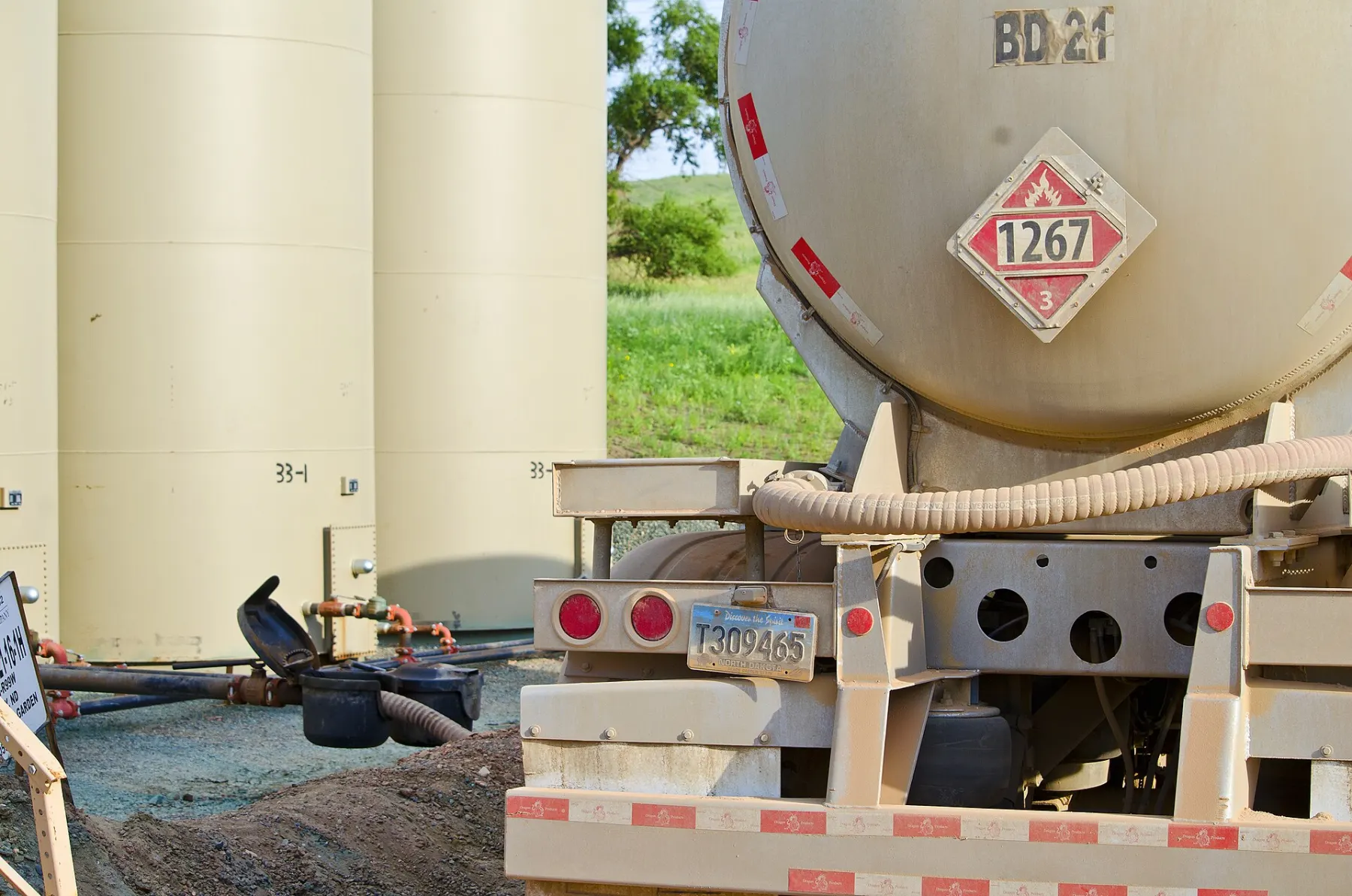
Drilling campaigns generate large volumes in short periods, so throughput matters. The facility can process up to 1,000 tons of drill cuttings and 400 cubic metres of drilling fluids daily. That scale is intended to keep pace with rigs so that waste does not accumulate on the pad and slow operations.
Capacity is only useful with the right methods behind it. For drilling waste, a typical workflow depends on characterisation first, then a treatment route chosen for the waste type and risk, with fluids and water recovered for reuse wherever that is technically sound.
Treatment methods applied
The company applies bioremediation, solidification and stabilisation, and licensed treatment and disposal methods, choosing among them according to waste type and risk. Its approach prioritises recovery and reuse, with disposal as the last option.
Services are organised into three lines: waste water treatment and disposal, valorization of waste and solid waste treatment and disposal. They are supported by solids control, oilfield water services and engineering support, so that an operator can deal with one provider across several waste streams.
Wastewater treatment is the second main activity at the site. Wastewater is treated on site, including through a 20 m3/h membrane bioreactor (MBR) wastewater system. Membrane bioreactors combine biological treatment with membrane filtration, which typically produces a clarified effluent with low suspended solids. Treated water that leaves the site does so under the company's waste water discharge permit, KIK01/WP-23069/2024/NN.
Because the discharge is permitted, effluent quality is something the company monitors against the conditions of that permit. Discharge conditions are set by the regulator and should always be confirmed there. Those interested in the technology itself can read membrane bioreactor (MBR) wastewater treatment explained.
Licences behind the Kikuube waste treatment facility
A hazardous waste site is only as credible as the authorisations it holds. White Nile Consults holds:
- A full NEMA licence, No. WT97/2024 (renewed annually), to own and operate a hazardous waste treatment and disposal site.
- An ESIA certificate, NEMA/EIA/4275.
- UNBS certificate UNBS/LRS/0045.
- A waste water discharge permit, KIK01/WP-23069/2024/NN.
- ISO 9001:2015, ISO 14001, ISO 45001:2018 and ISO/IEC 17025:2017 certification.
The company is also a registered and listed supplier on the National Suppliers Database (NSD). Details are collected on the certifications page, and operators should always ask to see current copies of any licence they rely on.
Local content and the people who run it
The company's local content commitment prioritises Ugandan nationals and nearby communities, skills transfer and local sourcing where feasible. For a facility in Kikuube, that means that employment and capability building stay close to the neighbours of the site. Operators who want to see the breadth of the company's work can look at the full range of services described on this site.
What operators typically need to confirm
Before committing waste to any site, it is sensible to do some homework. A visit or a due-diligence call with any treatment facility, including this one, usually covers the same ground. Which waste streams are accepted, and what pre-acceptance information is required? How are loads received, sampled and recorded? What treatment route will each stream follow, and how is the outcome verified? Who holds the licences, and are the copies current? How does the facility handle spills, fire and other emergencies on site? Asking these questions in advance, and getting written answers, makes later audits far simpler, and the answers also help an operator write the facility into its own waste management plan.
Clear answers to these questions let an operator place the facility in its own waste management plan with confidence, and to explain that choice to its client or regulator if asked.
Final thoughts
Responsible operators ask where their waste ends up, what the receiving site is authorised to do and whether that can be demonstrated on paper. A licensed, well-documented facility within the region answers those questions and shortens the distance between generation and treatment. If you would like to discuss capacity, waste streams or a site visit, please contact the team.
Comments
No comments yet. Be the first to share your thoughts.