

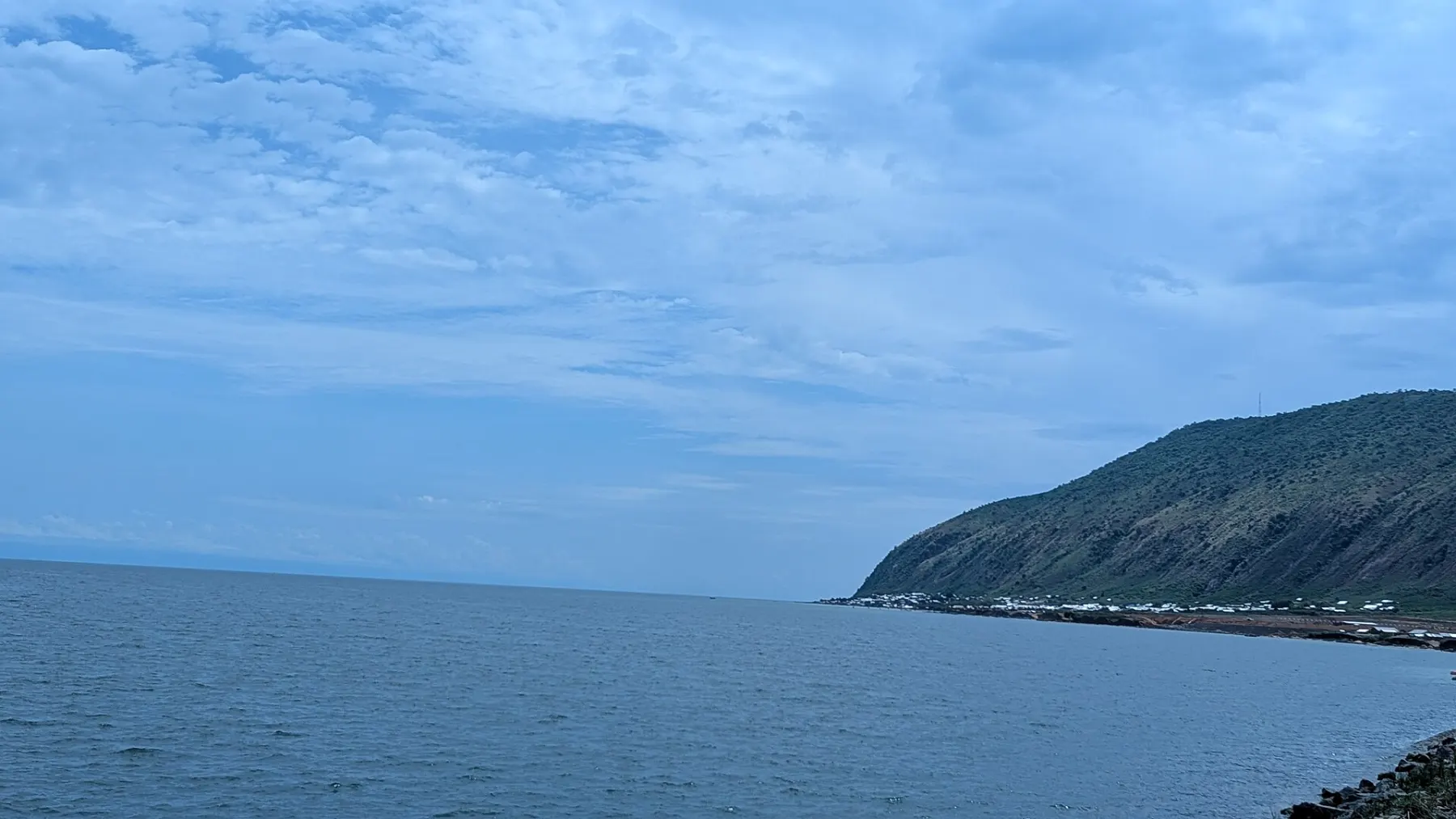
Uganda's petroleum sector is moving from exploration towards development and production, and with that shift comes a sharp rise in the volume and variety of waste that needs handling. This article sets out why oilfield waste management in Uganda matters: for the environment of the Albertine region, for the people who live there, for regulatory compliance, and for the reputation of operators and their contractors.
A sector that is growing
Drilling, well testing, construction of facilities and eventually production all generate waste, and each phase brings its own streams. Drilling fluids and cuttings dominate early activity, while production introduces produced water, sludge and routine operational waste. As work expands, handling capacity, trained people and clear procedures need to keep pace.
Planning ahead is cheaper than catching up. Operators that decide early how each stream will be segregated, treated and recorded avoid bottlenecks that can delay drilling or force rushed decisions. A general introduction to the topic is available in what oilfield waste management is.
Protecting the environment through oilfield waste management
The operating area includes lakes, rivers, wetlands, forest and farmland. Poorly managed hydrocarbons, salts and chemicals can affect soil, surface water and groundwater, and the effects may be slow to appear and difficult to reverse. Good waste management is therefore a form of prevention: containment on site, treatment before release, and monitoring afterwards.
The Albertine region is rich in water and wildlife, and its sensitivity is the reason operators need to work to a high standard.
Safeguarding communities and workers
People live and farm close to operations. Dust, odour, spills, truck movements and uncertainty about what is being stored nearby can all affect trust. Sound waste management reduces the physical risks, and open communication about what is done and how it is checked reduces the anxiety.
Workers face the most direct exposure. Clear segregation, appropriate protective equipment, training and emergency procedures keep injuries and illnesses down, and are central to health and safety management systems.
Regulation and accountability
Waste handling in Uganda is governed by the National Environment Act and its regulations, administered by NEMA, with the Petroleum Authority of Uganda (PAU) and the Ministry of Energy also playing roles in the sector. Facilities that treat or dispose of hazardous waste need to be licensed, discharges to water generally need permits, and major projects require environmental and social impact assessment.
The details change over time, so operators should confirm current requirements with the relevant authority. In practice, regulators and clients alike look for evidence: licences, test results, waste records and audit findings. Those who can produce them quickly are in a far stronger position than those who must reconstruct events later.
An incident involving waste, such as an unlawful dump, a leaking pit or an untraced truck, can damage a project's standing well beyond the incident itself. Investors, lenders and host communities pay attention to environmental performance, and many operators now track waste data as part of their reporting.
Contractors share that exposure. When selecting one, buyers commonly ask about licences, certifications, systems and past performance, a subject taken up in how to choose a licensed waste contractor.
The role of licensed local facilities in oilfield waste management
Treating waste close to where it is generated tends to shorten transport routes, which lowers road risk and reduces the chance of loss in transit. It also keeps skills and employment within the country. Local content expectations in the petroleum sector encourage exactly that.
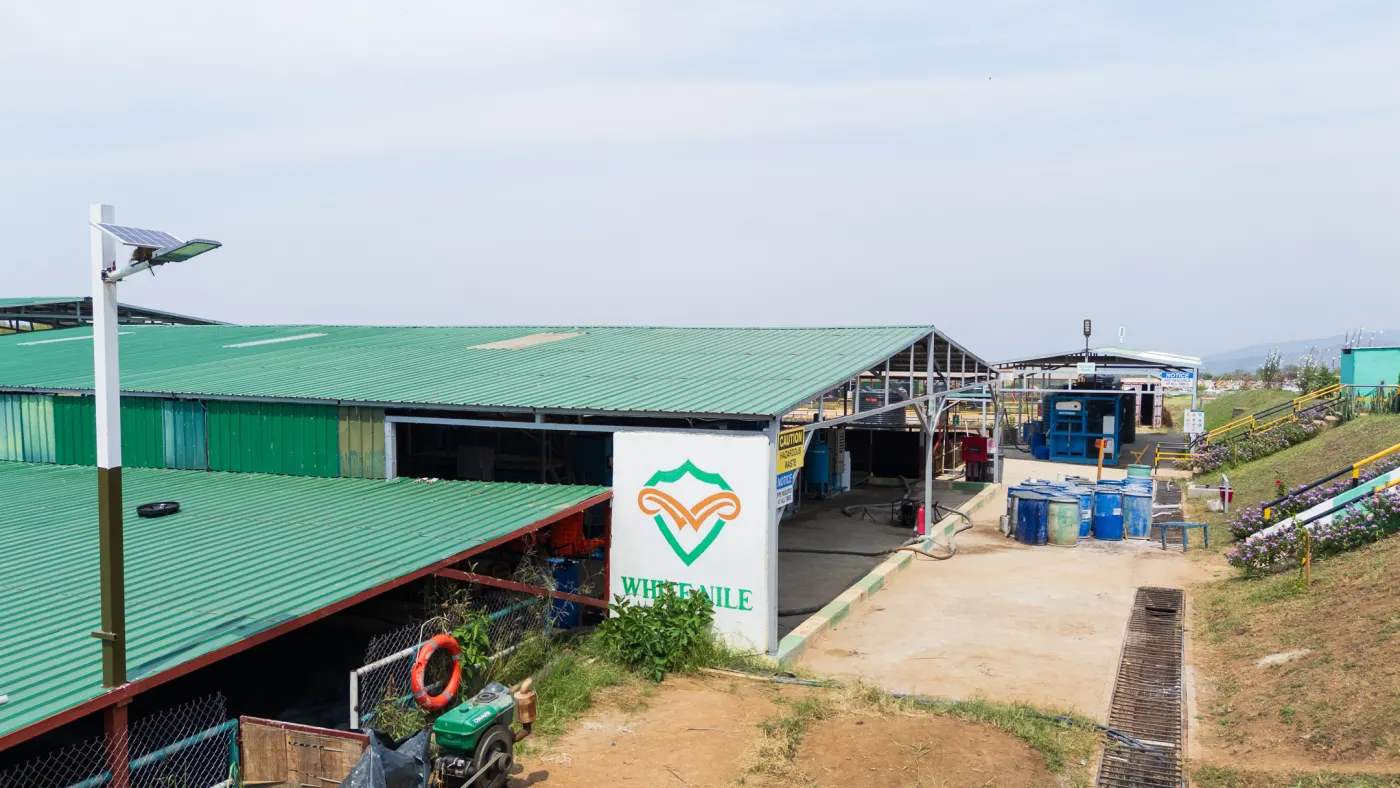
White Nile Consults owns and operates a 110-acre treatment facility in Kikuube District in the Albertine Graben, holds NEMA licence No. WT97/2024 for hazardous waste treatment and disposal (renewed annually), and prioritises Ugandan nationals and nearby communities in its local content commitment. Its waste water treatment and disposal and solid waste treatment and disposal services support operators working in the region.
Some questions are worth asking now.
- Do we know which waste streams each phase of our project will create?
- Is there licensed treatment capacity available within a reasonable distance?
- Who holds responsibility for each stream at each stage?
- Can we show records for every load that has left site?
- Are nearby communities informed about what is being done?
Building skills and capacity
Waste management is also a skills question. Treatment operators, laboratory technicians, HSE officers, drivers and site supervisors all need training, and the sector benefits when that training is delivered to Ugandan professionals who can stay and progress in the industry. Programmes that combine on-the-job learning with formal standards create a workforce able to meet client expectations without relying entirely on outside expertise. Operators can support this by writing local employment and skills transfer expectations into their contracts and then asking for evidence of delivery.
Ultimately, a sector that handles waste well builds confidence among regulators, lenders and neighbours alike, and that confidence is what allows projects to proceed without avoidable disruption.
Final thoughts
Responsible operators regard waste management as part of their licence to operate in Uganda, not as a cost line to be minimised at any price. They plan early, choose licensed partners and keep evidence. If you are scoping a project and would like to discuss local treatment options, please contact the team.
Comments
No comments yet. Be the first to share your thoughts.