

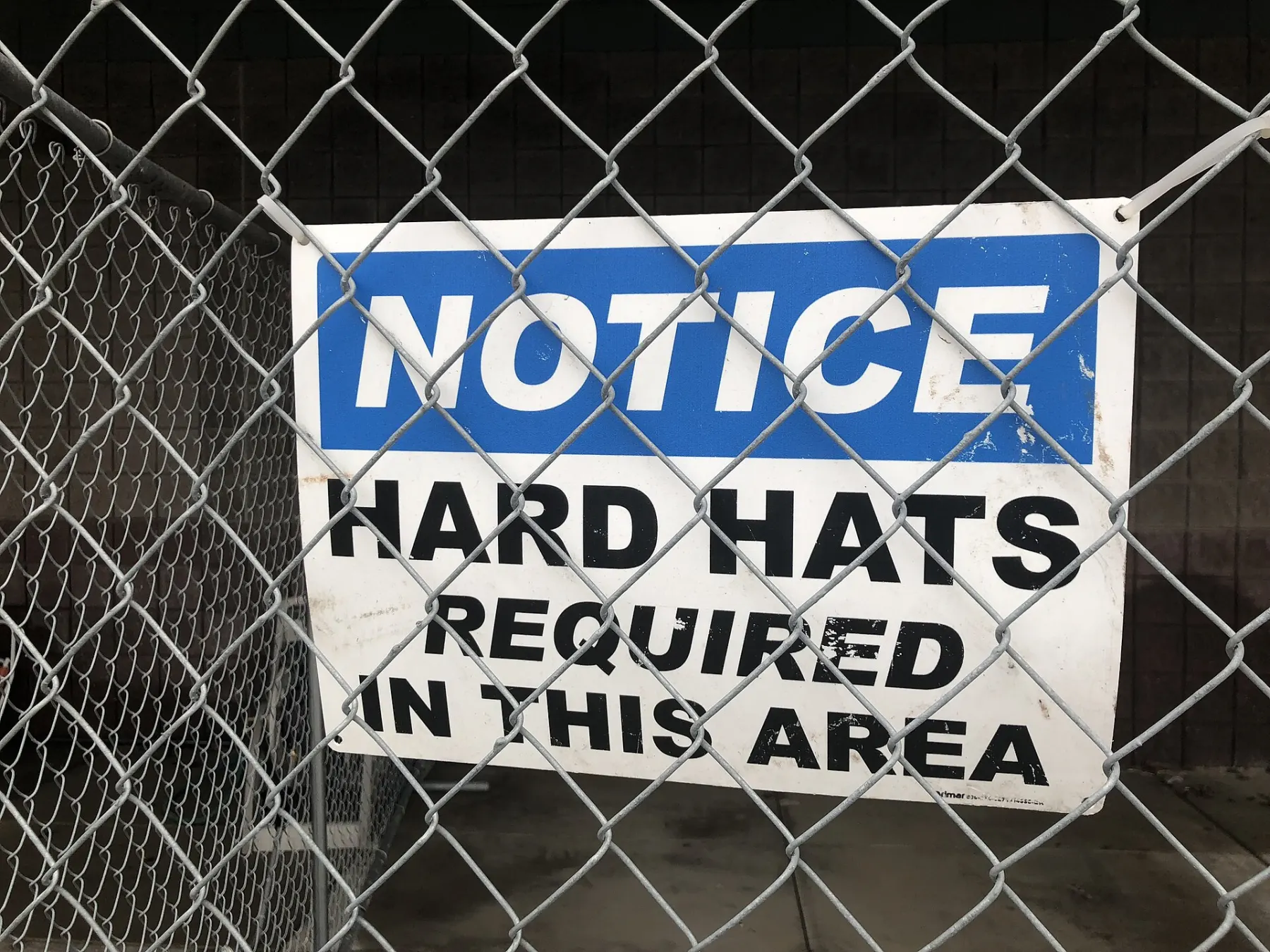
Waste handling puts people close to chemicals, heavy equipment, moving vehicles and, at times, confined spaces. ISO 45001 is the international standard for occupational health and safety (OHS) management systems, and it gives waste companies a structured way to protect their workers. This article explains what ISO 45001 requires, how hazard identification and risk control work in waste facilities, why worker participation is central to the standard, and how incident learning keeps a site improving.
What ISO 45001 is and what it covers
ISO 45001 sets out requirements for an OHS management system. Like other management system standards, it does not prescribe specific equipment or limits. It asks the organisation to understand its context, identify hazards and risks, comply with legal requirements, set objectives, provide resources and competence, operate controls, monitor performance and improve. Independent certification confirms that the system has been audited against the standard.
Its scope extends beyond the organisation's own employees. Contractors, visitors and others who may be affected by its activities are part of the picture, which matters on a treatment site where transporters, laboratory staff and client representatives all pass through.
Hazard identification in waste handling
Everything in an OHS system flows from knowing what can go wrong. In a waste treatment facility, typical hazards include:
- Exposure to hydrocarbons, solvents, acids, alkalis or other chemicals during handling and treatment.
- Vehicle and plant movements, including reversing trucks and loaders.
- Manual handling of drums, containers and sampling equipment.
- Confined spaces such as tanks and sumps.
- Slips, trips and falls around wet or uneven surfaces.
- Fire and, depending on the waste, flammable vapours.
- Noise, heat, dust and biological hazards.
- Work at height and around pressurised systems.
A good hazard register is specific to the site and updated whenever a process, a waste type or a piece of equipment changes. Generic lists are a start, but the register should reflect what people actually do. The wider context of site safety is covered in our article on PPE and site safety in waste treatment facilities.
Controlling risk: the hierarchy of controls
ISO 45001 expects organisations to consider controls in a sensible order rather than defaulting to PPE:
- Eliminate the hazard where possible, for example by avoiding manual transfer of liquids through better piping.
- Substitute with a less hazardous material or method.
- Use engineering controls such as guarding, ventilation, bunding and gas detection.
- Apply administrative controls: procedures, permits to work, signage, training and supervision.
- Provide personal protective equipment as the last line of defence, not the first.
Accurate waste characterisation supports this process, since you cannot choose controls for a material you do not understand. Accurate waste characterisation comes before handling decisions for exactly this reason.
Worker participation and consultation
A distinctive feature of ISO 45001 is the emphasis on involving workers. People doing the job often know about hazards that managers do not see, such as a poorly placed valve or a routine shortcut. The standard expects organisations to create ways for workers to take part in hazard identification, incident investigation and the development of procedures, and to consult them on changes that affect their safety.
In practice, this might mean toolbox talks where staff raise concerns, a safety committee with worker representatives, a straightforward way to report hazards without blame, and the right to stop work that appears unsafe. Supervisors have a particular part to play, because they set the tone on the ground. Where workers see that their reports lead to action, reporting rises and hazards are corrected earlier. Where reports disappear without response, people stop making them, which leaves management with a false sense of safety.
Incident learning and continual improvement
No system removes all risk, so how an organisation responds to incidents and near misses is a measure of its maturity. A sound process involves:
- Making immediate arrangements for care and for making the area safe.
- Reporting every incident and near miss, however minor.
- Investigating the underlying causes, not only the immediate action that preceded the event.
- Assigning corrective actions with owners and dates, and checking that they were completed and were effective.
- Sharing lessons across shifts and sites.
Audit findings, inspection results and management reviews feed the same loop. This is consistent with the approach to corrective action described in our article on preparing for environmental audits.
What clients can ask for
When evaluating a contractor's safety management, you can reasonably ask for the current ISO 45001 certificate and its scope, an outline of induction and training, summaries of incident reporting and investigation practice, and emergency response arrangements. These questions belong in any due diligence process, alongside those in our guide to choosing a licensed waste contractor. White Nile Consults is certified to ISO 45001:2018, and the certificate is listed on our certifications page.
Final thoughts
Responsible operators treat health and safety as a shared, continuing responsibility, with hazards identified early, workers consulted and every incident used as a source of learning. If you would like to discuss how safe handling is organised for your waste streams, please contact the team.



Comments
No comments yet. Be the first to share your thoughts.