

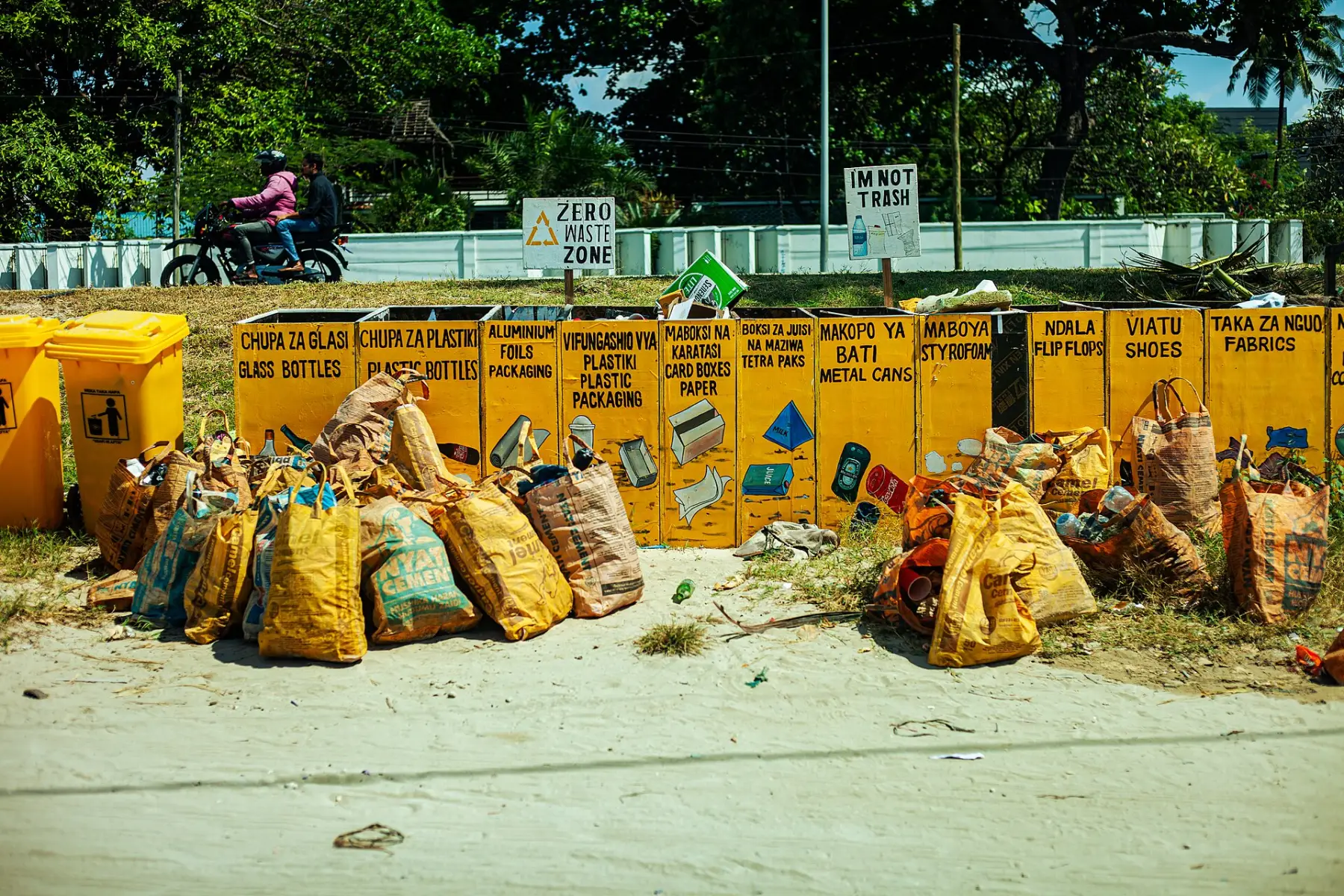
Solid waste segregation is the discipline of separating waste into defined streams at the point where it is created, and it is the single habit that most improves everything downstream. This article explains how to design a segregation system for an industrial or oilfield site, what bins, labels and training are needed, how to audit performance, and why good segregation reduces dependence on landfill and keeps hazardous material out of general waste.
Why solid waste segregation matters
A single contaminated item can change the classification of a whole container. A small amount of oily rag or chemical packaging dropped into general waste may force the entire load to be handled as hazardous, which raises handling, transport and treatment requirements. Segregation prevents this by keeping hazardous and non-hazardous materials apart from the beginning.
Segregation also makes recovery possible. Clean metal, clean plastics, cardboard and wood can often be recovered, but only if they have not been mixed with food waste, oils or chemicals. For the underlying classification, see hazardous vs non-hazardous oilfield waste.
Designing a solid waste segregation system
Good design starts with knowing what the site actually produces. A short audit of waste generation points, covering the camp, workshops, rig or process area, stores and offices, shows which streams appear in meaningful quantities. The system can then be built around a limited number of categories that people can remember, rather than a long list that no one follows.
Typical categories for a site include:
- general non-hazardous waste (offices, food, non-contaminated items)
- recyclable materials (clean metals, paper, plastics, glass, wood)
- oily and chemical-contaminated solids (rags, filters, absorbents, empty chemical containers)
- sharps and clinical waste, where a clinic is present
- electrical and electronic waste, and batteries
- bulky items such as drums, pallets and equipment
The exact categories should reflect the site's waste management plan and the requirements of the licensed contractor who will collect each stream. Agree categories with the contractor before the system is rolled out.
Bins, colours and labelling
Containers should suit the waste. Oily solids need leak-resistant, lidded containers. Sharps need puncture-resistant containers. Outdoor bins should be covered to keep out rain and animals, and placed on firm, level ground away from drains and watercourses. Where waste is stored on hardstanding, bunding or drip protection is appropriate for liquid-bearing or oily material.
Colour coding and clear labels work well when they are consistent across the whole site and across contractors. Labels should combine a colour, plain wording and, where helpful, a simple pictogram, so that a worker who is rushing or has limited English can still choose correctly. Place bins where waste is generated, not at a distant collection point. If a bin is inconvenient, people will use the nearest one, whatever it is meant for.
Training that people remember
Training should be short, practical and repeated. A new worker should see the bins, handle sample items and be told what happens when something goes in the wrong container. Supervisors need to know what to do when they find contamination, so that it is corrected rather than ignored. Refresher talks tied to real examples from the site tend to be more effective than general presentations.
Language matters on East African sites, where crews may include speakers of several languages. Signs and talks should be understood by everyone who uses the bins. Involving local staff in designing the labels is a simple way to test whether they work.
Auditing and improving segregation
A system that is not checked drifts. Regular bin inspections, with a simple scoring of contamination, show where the system is working and where it is not. Periodic sorting of a sample of waste from general bins reveals what is being missed. Results should be shared with the teams concerned, with practical changes made where problems repeat, such as moving a bin, changing a label or adding a container for a missing category.
Record the quantities of each stream leaving the site. Over time these records show whether recyclable material is increasing and whether the proportion sent for treatment or disposal is falling. They also support the paperwork described in waste tracking and documentation.
Most failures have simple causes. Bins are too few or too far from where work happens. Labels are written in language that some workers do not read. Collection is irregular, so bins overflow and people stop caring which container they use. Supervisors tolerate contamination because correcting it takes time. Each of these can be fixed, but only if someone is looking for them, which is why the audit routine described above matters as much as the original design.
A short weekly walk-round by the site waste coordinator, with a written note of bins that are full, damaged or mislabelled, is usually enough to keep a system in working order. Where a contractor collects the waste, ask them to report contamination they find at pickup, so that feedback reaches the generating team quickly.
Reducing landfill dependence
Landfill is often the default for mixed waste because it is the simplest option. Good segregation changes the picture: recoverable materials are removed, hazardous items are directed to treatment, and only the residual fraction needs final disposal. The landfill vs treatment discussion explains how engineered disposal fits as a last step rather than a first.
Final thoughts
Responsible operators treat solid waste segregation as part of site discipline: designed around real waste, supported by clear containers and training, and checked regularly. White Nile Consults provides Solid Waste Treatment & Disposal for operators whose segregated streams need licensed handling, with treatment and disposal chosen by waste type and risk. If you want to review how waste is separated on your site, please contact the team.
Comments
No comments yet. Be the first to share your thoughts.