

Waste minimisation drilling programmes start long before the first tonne of cuttings reaches a skip. Every barrel of fluid and every pallet of materials that enters a well site is a future waste stream, and the cheapest waste to manage is the waste that is never created. This article explains where drilling waste originates, which controls reduce it at source, and how planning, equipment and training fit together for operators working in Uganda and the wider Albertine Graben.
Why waste minimisation in drilling begins at the planning stage
Most of the waste volume from a well is decided before the rig arrives. Well design, hole size, casing programme and the choice of drilling fluid system all shape how much cuttings and fluid will need handling. A larger hole section produces more cuttings. A fluid system that is difficult to recondition produces more spent fluid. Contractors who raise these points during the drilling programme review, rather than after spud, have far more room to act.
The waste management hierarchy gives a simple order of priority: prevent, reduce, reuse, recover, treat, and only then dispose. Drilling teams that treat the hierarchy as a planning tool, not a poster on the wall, tend to find that prevention and reduction are where most of the practical gains sit.
Solids control as the main lever
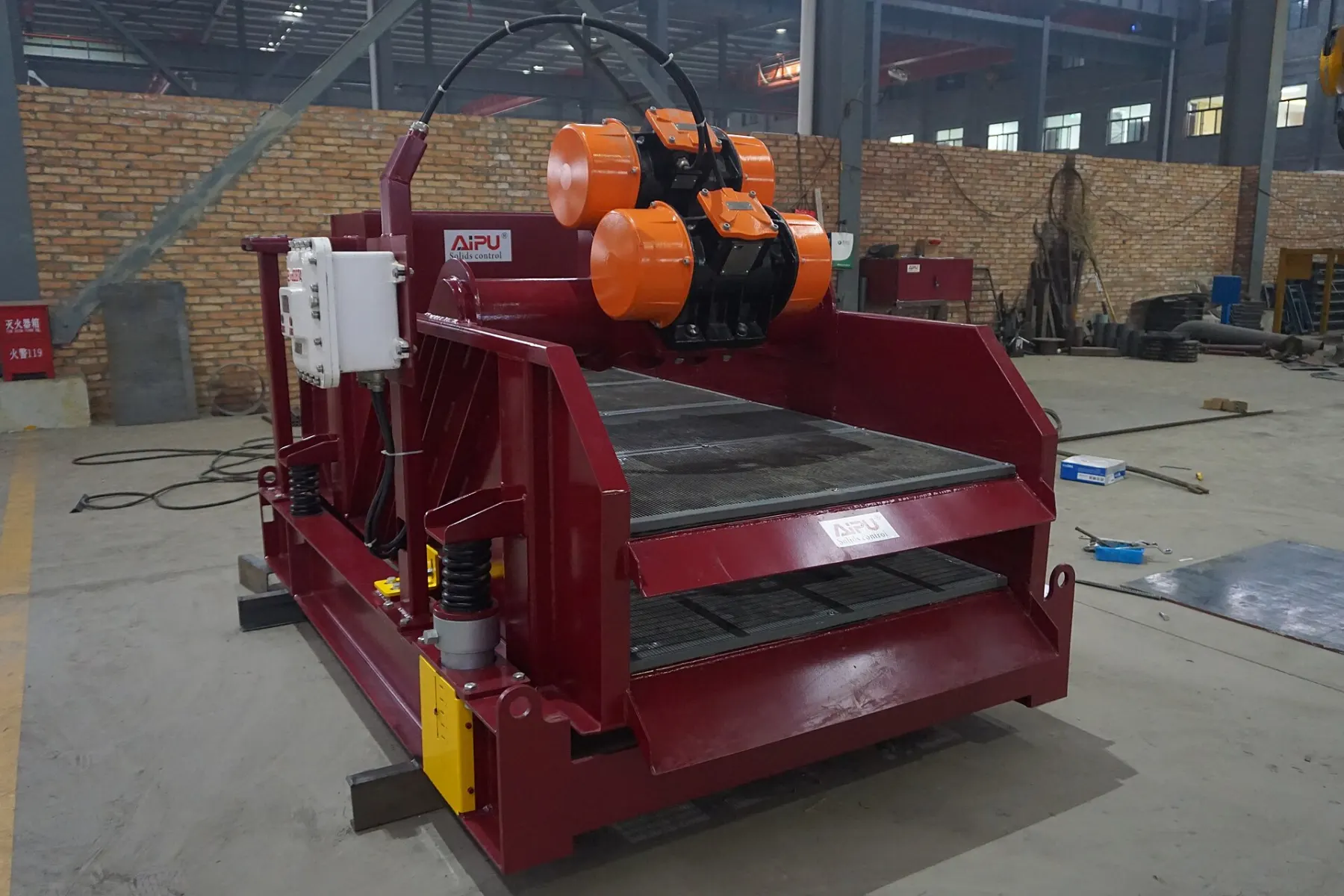
Solids control equipment separates drilled solids from the circulating fluid so that the fluid can be used again. The usual train includes shale shakers, desanders, desilters and centrifuges, and the effectiveness of each stage affects how much fluid is lost with the solids. Poorly tuned shakers, worn screens and bypassed equipment mean wetter cuttings, higher fluid losses and more material to treat.
Good practice usually includes:
- selecting screen sizes that match the formation and the fluid properties, and changing damaged screens promptly
- monitoring the solids content of the active system, so that dilution with fresh fluid is not used as a substitute for removal
- using centrifuges to recover fluid from fine solids where the fluid system and the economics support it
- recording the retained fluid on cuttings, so that changes can be spotted and investigated
None of this is exotic. The difference between a well-run and a poorly run solids control system is largely attention and maintenance. For background on what these streams contain, see drilling fluids and drill cuttings explained.
Fluid management and waste minimisation in drilling
Fluids are often the largest liquid waste stream on a rig. Careful management keeps volumes down and keeps the fluid in a condition where it can be reused on the next section or the next well.
Practical measures include maintaining accurate volume tracking in the pits, so leaks and unplanned dumps are detected early, and reconditioning fluid between sections instead of discarding it. Where a fluid system allows it, transferring returned fluid to a following well is usually preferable to treating it as waste. Segregating fluid types is equally important: mixing water-based and oil-based fluids, or mixing clean fluid with contaminated washdown water, enlarges the volume that needs specialised handling. The differences between these systems are covered in water-based vs oil-based drilling mud waste.
Rig washdown deserves its own attention. Uncontrolled washing at the rig floor and around the shakers generates large volumes of contaminated water. Drip trays, contained wash areas and dry cleaning methods where practical keep that water to a minimum.
Material control, storage and housekeeping
Not all drilling waste is mud. Packaging, sacks, drums, pallets, used oil, filters and chemical containers add up quickly on a remote site. Over-ordering is a common cause of waste: unused chemicals that pass their shelf life, or are damaged in storage, become hazardous waste with no operational value.
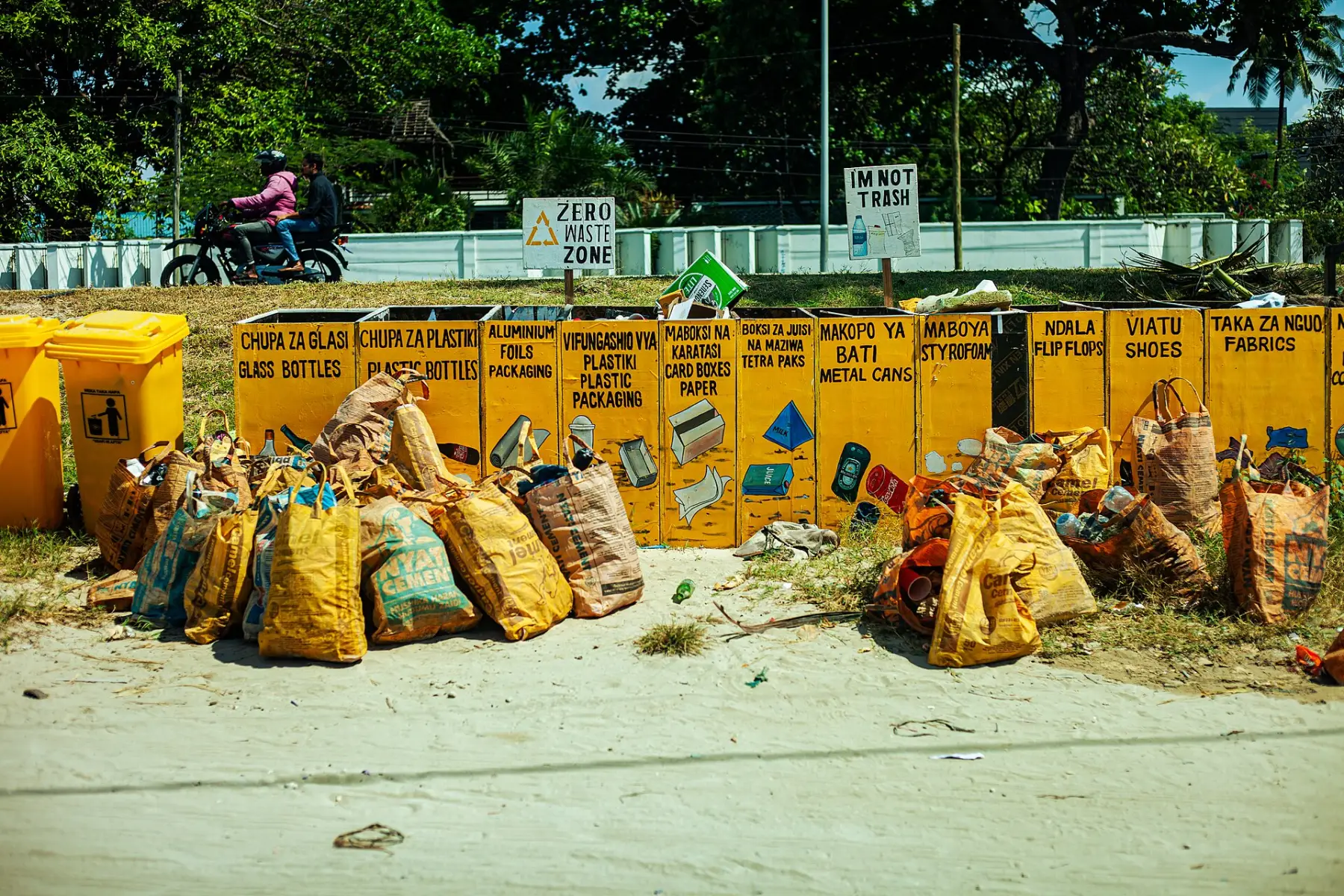
Sensible controls include ordering against the drilling programme with a defined contingency, storing chemicals under cover and on bunded surfaces, using returnable or bulk packaging where the supplier allows it, and keeping a stock record that is checked against deliveries. Segregating waste at the point of generation, in clearly labelled containers, prevents small quantities of hazardous material from contaminating a large volume of general waste. The same principle is described for solid streams in solid waste segregation systems that work.
Training, accountability and measurement
Equipment and procedures only work when crews understand why they matter. Short toolbox talks on spill prevention, correct container use and the cost of mixed waste are more effective when they use the site's own examples. Assigning a named person on each shift to oversee waste handling, and including waste performance in daily reports, keeps the subject visible.
Measurement does not need to be complicated. Operators can track quantities of cuttings, fluid and solid waste per well section, compare them with the plan, and discuss variations at the end of each section. Without figures from the site itself, claims of improvement are only impressions. With them, teams can see which practices made a difference and carry them to the next well.
The cost and risk case
Reducing waste at source lowers the volumes that must be stored, transported, treated and documented. It also lowers the number of truck movements on rural roads, the size of temporary storage areas, and the exposure of workers and communities to hazardous material. Fewer incidents, shorter handling chains and less paperwork are real benefits even when no single saving looks dramatic.
Reduction does not remove the need for treatment, however. Cuttings, spent fluids and sludges still require characterisation and handling by a licensed contractor, and material that cannot be avoided should be recovered where it safely can be. The options for this are discussed in recycling and reuse in oilfield operations.
Final thoughts
Responsible operators treat waste minimisation in drilling as part of well planning, not as a clean-up task at the end. They control solids, manage fluids, order carefully, segregate at source and measure what they produce. White Nile Consults works with operators on the waste that remains after these steps, applying recovery and reuse first and licensed treatment and disposal according to waste type and risk. If you are planning a drilling campaign and want to discuss how waste will be handled, you are welcome to contact the team.
Comments
No comments yet. Be the first to share your thoughts.