

Oilfield recycling and reuse is the practice of recovering value from materials that would otherwise be sent for disposal, and it sits near the top of the waste management hierarchy for good reason. This article explains what can realistically be recovered in oilfield operations, how water and material reuse work in practice, why quality control decides whether reuse is safe, and how recovery should be considered before disposal on any project in Uganda.
What oilfield recycling and reuse means in practice
Recycling and reuse are related but different. Reuse means using a material again for the same or a similar purpose, such as returning conditioned drilling fluid to the active system. Recycling means processing a material so that it can serve a new purpose, such as treating a waste stream to produce a usable product. Recovery is the wider term that covers both, along with recovering energy or components from a stream.
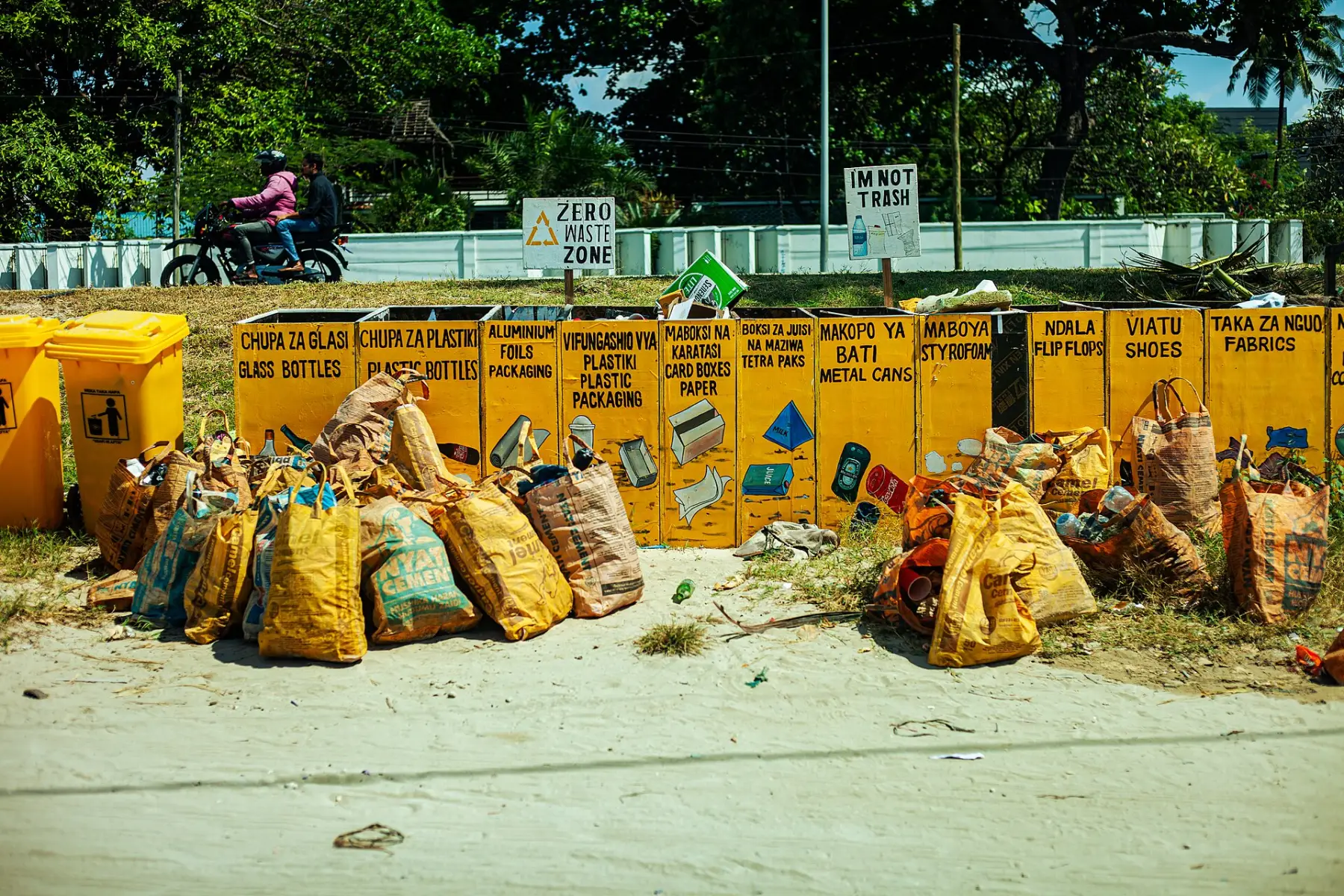
In oilfield work the opportunity depends on the waste stream, its contamination and the specification the recovered material must meet. A clean, well-segregated stream is far easier to recover than a mixed one. This is why segregation at the source and early waste characterisation come up in almost every recovery discussion.
What can be recovered
Different streams offer different opportunities. Common examples include:
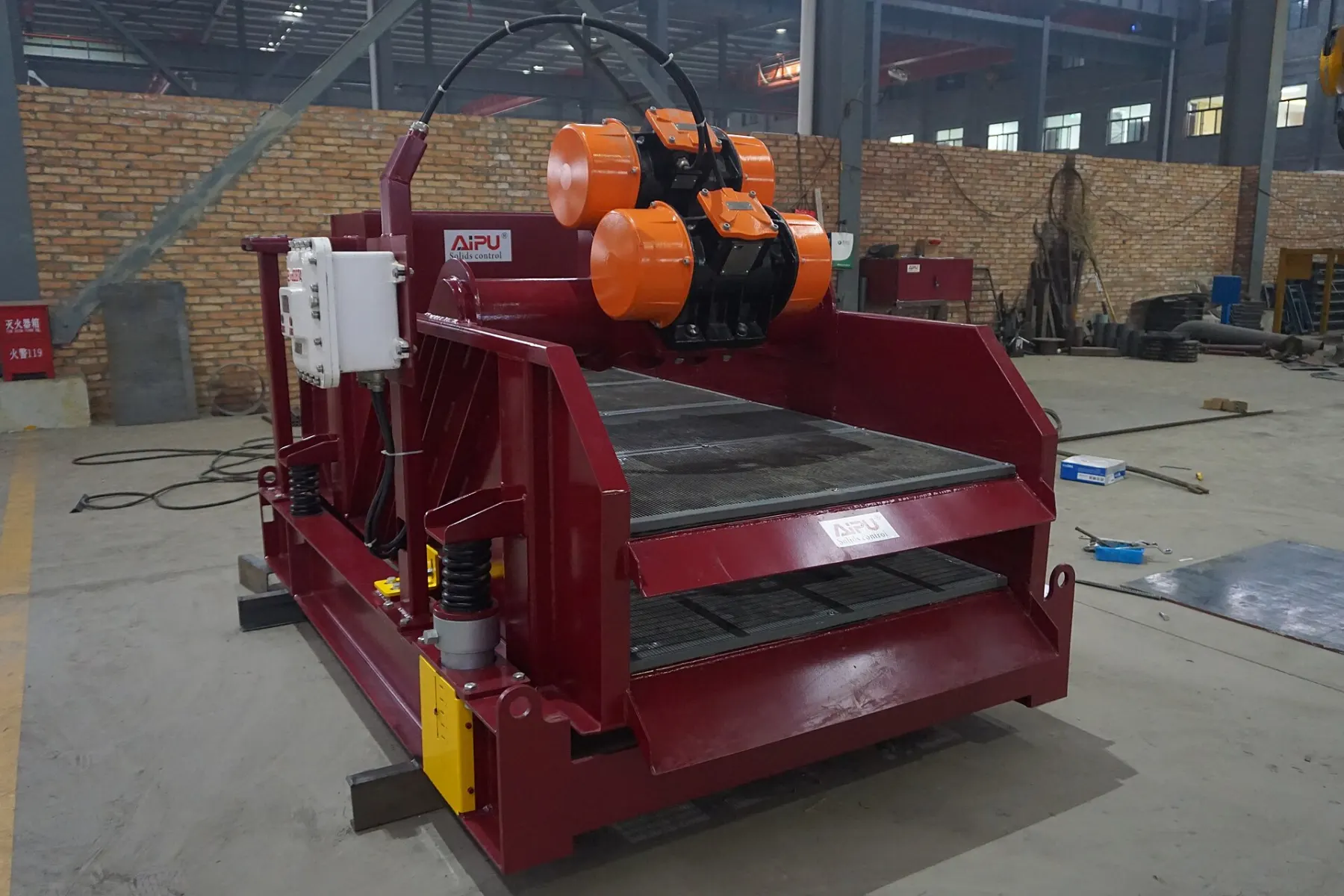
- drilling fluids that can be reconditioned and reused on later sections or wells
- the liquid fraction of drilling waste, which can sometimes be separated and treated for further use
- treated drill cuttings that, after testing, may meet requirements for use in suitable engineering applications, depending on the waste and the approvals in place
- recovered oil from oily sludge and separated oily liquids, where separation is practical
- scrap metal, such as pipe, drums and equipment, sent to appropriate recyclers
- clean packaging and pallets, which can often be returned to suppliers or reused on site
Not every item on this list suits every project. Each case depends on what the material contains, how it was generated and whether the end use is acceptable to the regulator. For the types of waste involved, see types of oilfield waste explained.
Water reuse in oilfield operations
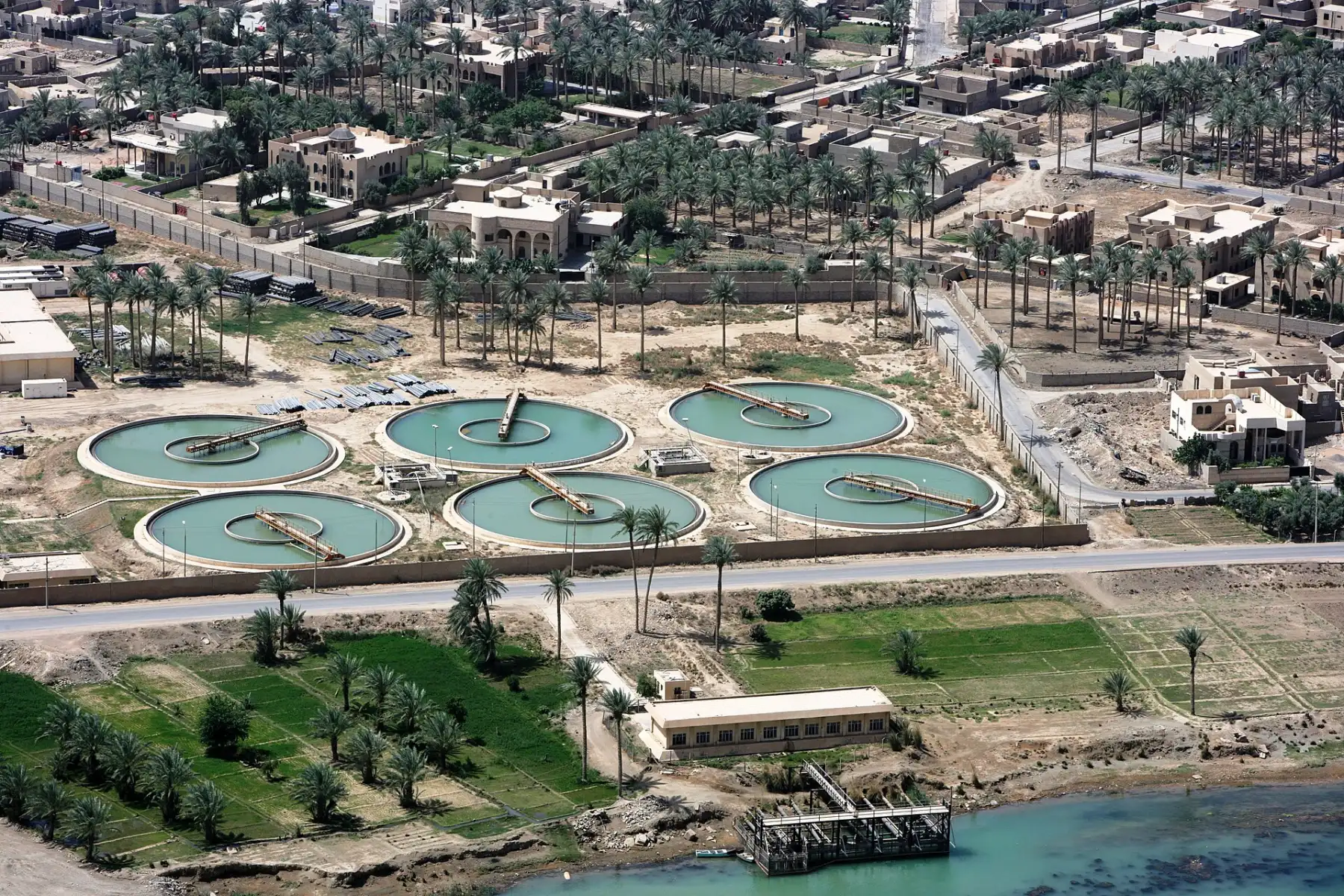
Water is one of the clearest candidates for reuse. Produced water, washdown water and treated process water can sometimes serve purposes that do not need potable quality, such as dust suppression, wash-down or make-up water for some operations. Whether a particular reuse is appropriate depends on salinity, hydrocarbons, solids, chemicals used upstream and the sensitivity of the receiving use.
Treatment is the enabling step. Biological and membrane-based systems can produce water of a consistent quality, and good monitoring shows whether that quality is being maintained. Operators considering reuse should read about produced water management basics and discuss proposals with NEMA and other relevant authorities before committing to a reuse route, since discharge and reuse conditions are set by regulation and permits.
Quality control decides whether reuse is safe
Recovery that is not controlled can move a problem from one place to another. A recovered material is only useful if it meets a defined specification and does not carry hazardous constituents into its next use. That requires testing, records and clear acceptance criteria.
A sound approach usually includes characterising the waste before treatment, testing the recovered product against its intended specification, keeping batch records that link the product to its source waste, and defining who accepts the material and on what terms. Laboratory competence matters here. Results from an accredited laboratory carry more weight with regulators and customers than informal checks, which is why laboratory quality systems feature in discussions of ISO/IEC 17025 testing for waste characterisation.
Operators should also confirm current requirements with NEMA and, for petroleum activities, the Petroleum Authority of Uganda before adopting a new reuse route.
Putting recovery before disposal
A practical way to apply the hierarchy is to ask, for each stream and in order: can it be avoided, can it be reused as it is, can it be treated to a standard that permits reuse, and only then, what is the safest licensed route for disposal? Written into the waste management plan, these questions prevent disposal from becoming the default answer simply because it is familiar.
It also helps to look at the economics honestly. Recovery has costs, including testing, handling and sometimes storage. Disposal has costs too, including transport, treatment, documentation and long-term liability. Comparing the two on the same basis, for each stream, avoids both false optimism and reflexive disposal. The broader idea of converting waste into usable products is explored in waste valorisation.
A further practical point is timing. Recovery routes are easiest to set up when they are agreed before a campaign starts, because storage, segregation and testing can then be planned around them. Trying to recover material that has already been mixed, weathered or stored for months is usually harder, and sometimes not possible at all.
Final thoughts
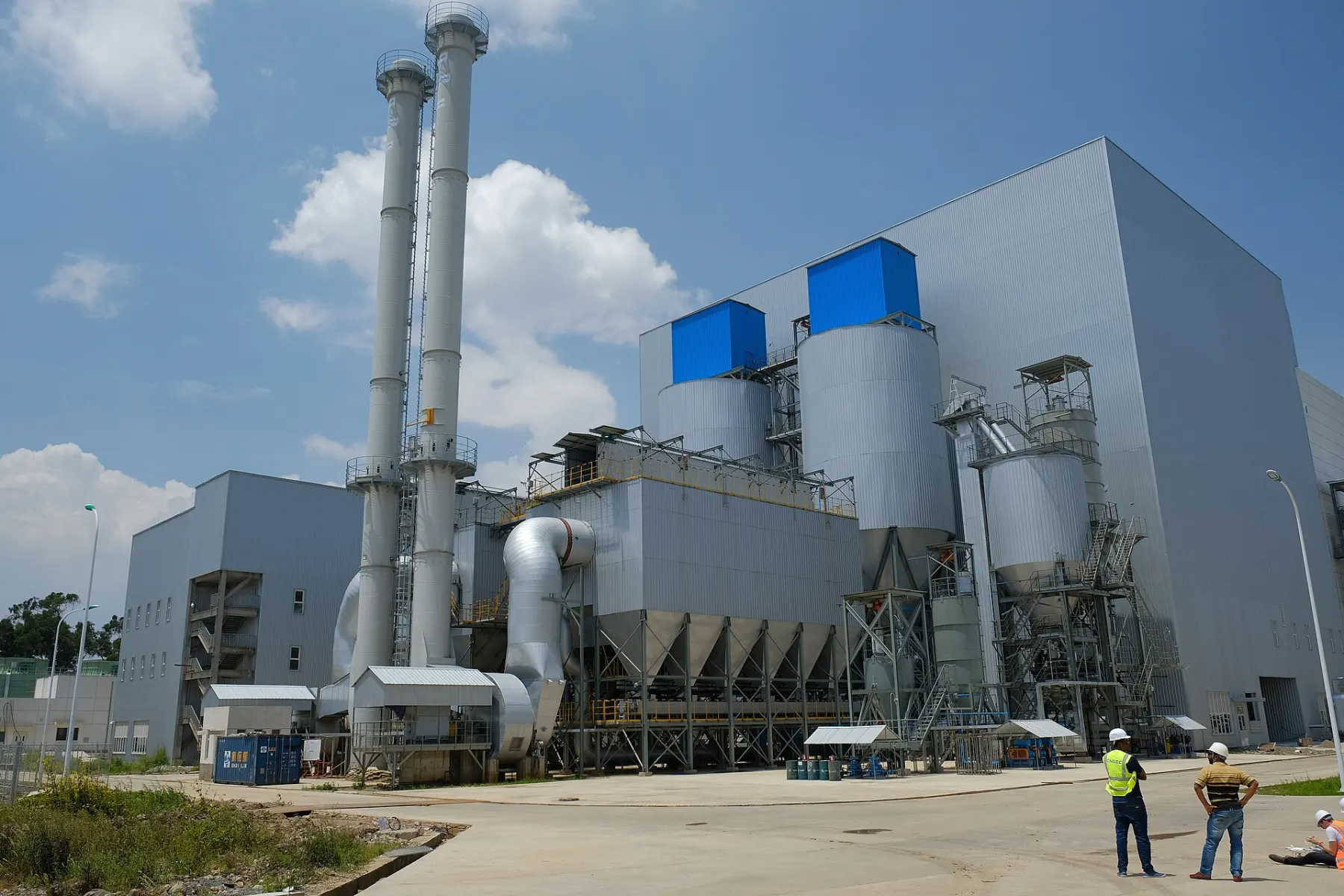
Responsible operators approach oilfield recycling and reuse with care: they recover what can be recovered safely, they prove quality with testing and records, and they dispose of the remainder through licensed routes. White Nile Consults prioritises recovery and reuse and treats disposal as the last step, supporting this through its Valorization of Waste service and its wider treatment capability. If you would like to discuss what could be recovered from your waste streams, please contact the team.
Comments
No comments yet. Be the first to share your thoughts.