

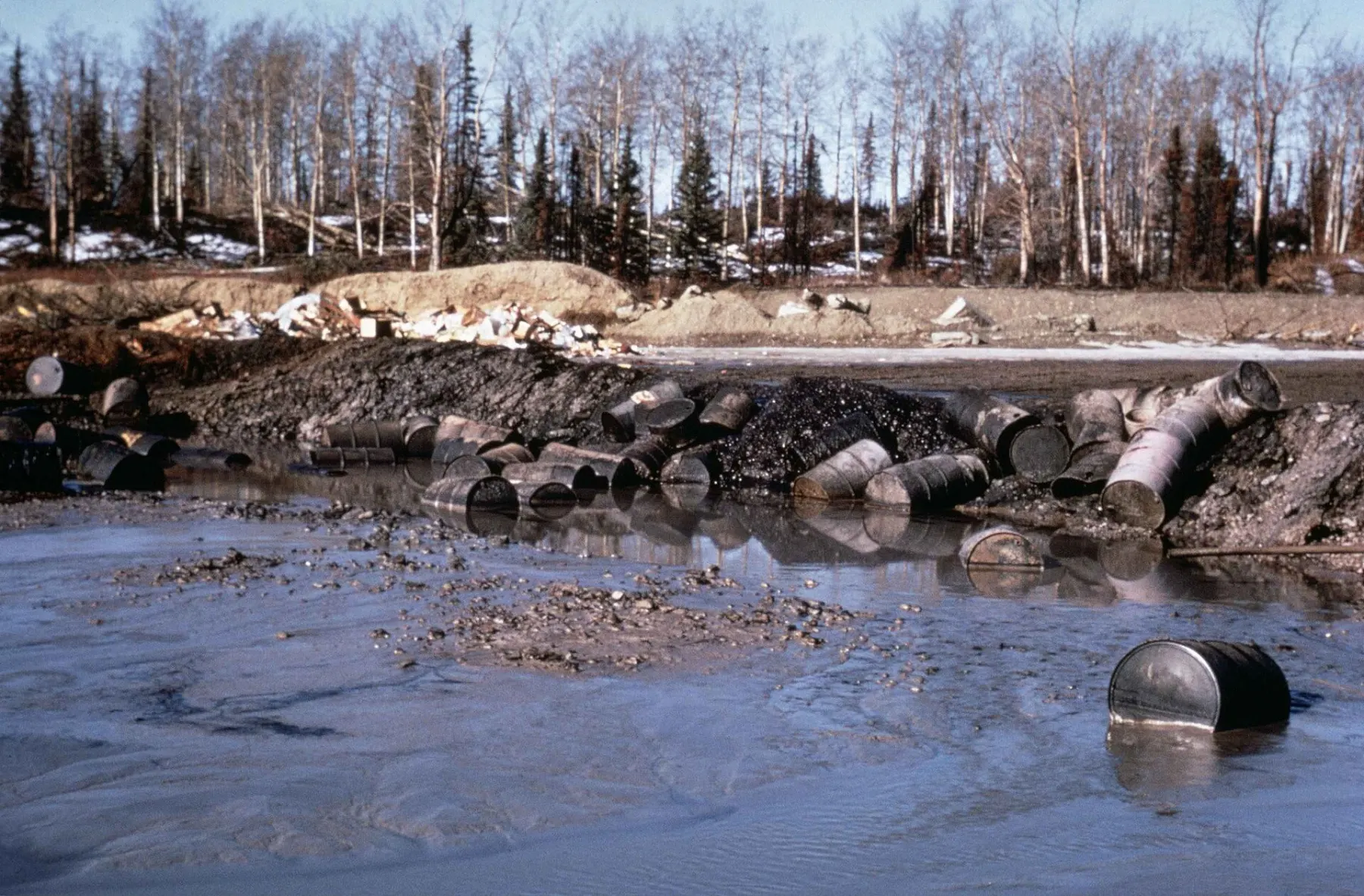
Oily sludge treatment is a sequence of steps, and the order matters. Sludge forms at the bottom of crude oil tanks, separators, pits and wastewater units, and it combines hydrocarbons, water, fine solids and sometimes metals and salts in a dense, difficult material. It is hazardous in most cases, and it can be costly if handled badly. This article walks through what sludge is, how it should be characterised, how oil is recovered, how the residue is treated, how final disposal is decided and what records to keep, so that project teams can follow each stage of the process.
What oily sludge is and why it forms
Oily sludge accumulates where oil, water and solids meet and settle. Heavier fractions of crude, waxes, corrosion products, formation solids and treatment chemicals all contribute. Over time the layers harden or turn into stable emulsions, which is why sludge is harder to pump and separate than fresh waste.
Its composition varies from one site to another, and even from one tank to another on the same site. That variation is the reason there is no single recipe for oily sludge treatment. Any plan has to begin from what the material actually contains.
Step one: sampling and characterisation
Representative samples should be taken from different depths and locations, because sludge is rarely uniform. Laboratory analysis typically covers oil, water and solids content, hydrocarbon type, salinity, pH and metals. The results shape every later decision, from the choice of recovery method to the disposal route, and they feed into the hazard classification required for handling and transport. The reasoning is covered in waste characterisation: why it comes first.
Safety information should be gathered at the same time, such as flash point and the presence of hydrogen sulphide or other hazardous vapours. Tank cleaning and sludge handling are hazardous tasks, and the people doing them need a clear procedure and suitable protective equipment.
Step two: oil recovery in oily sludge treatment
Where the sludge contains a worthwhile proportion of oil, recovery comes first. This commonly involves warming or diluting the sludge to reduce viscosity, mechanical separation to remove coarse solids, and settling or centrifugation to divide the oil, water and solids. The principles are those of physical separation of oily waste, applied to a heavier and stickier feed.
Recovered oil should be tested, stored in labelled containers and sent only to a destination that is agreed with its owner and permitted to receive it. Recovery is consistent with the principle that reuse comes before disposal, and it also reduces the volume of residue left to treat.
Step three: treating the water and solids
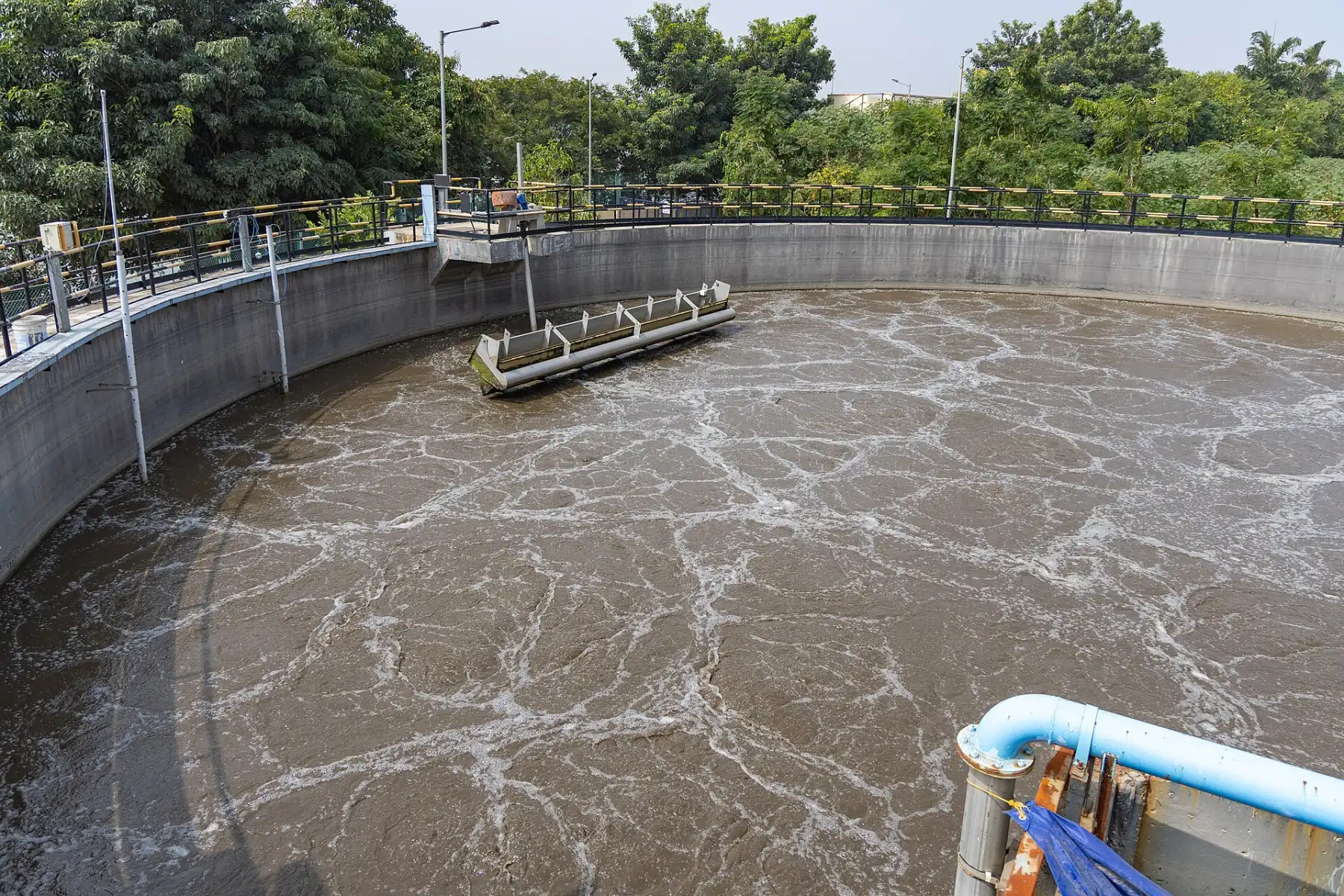
After oil recovery, two fractions remain. The separated water usually carries dissolved salts and residual hydrocarbons and needs wastewater treatment before any discharge or reuse, subject to the applicable permit. The solid residue is typically still contaminated with hydrocarbons.
Treatment options for the solids depend on their characteristics:
- Bioremediation, where hydrocarbon content and conditions allow microbial breakdown
- Solidification and stabilisation, where contaminants need to be bound into a stable matrix
- Further washing or dewatering to reduce moisture and oil before one of the above
Some residues combine both approaches in sequence. Whichever route is used, results should be verified by laboratory analysis rather than by appearance, and the thinking on verification in how solidification and stabilisation is tested is relevant.
Trials are worth the effort at this stage. A small-scale test on a sample of the residue, for instance with different binder ratios or different bioremediation conditions, shows which approach is likely to work before a full batch is committed. It also gives the HSE team a chance to see how the material behaves, whether it releases vapour, how it handles and how it responds to mixing. Treatment cells should be lined, bunded and protected from rainfall, and their performance should be tracked against a schedule so that slow progress is noticed early.
Step four: disposal of what remains
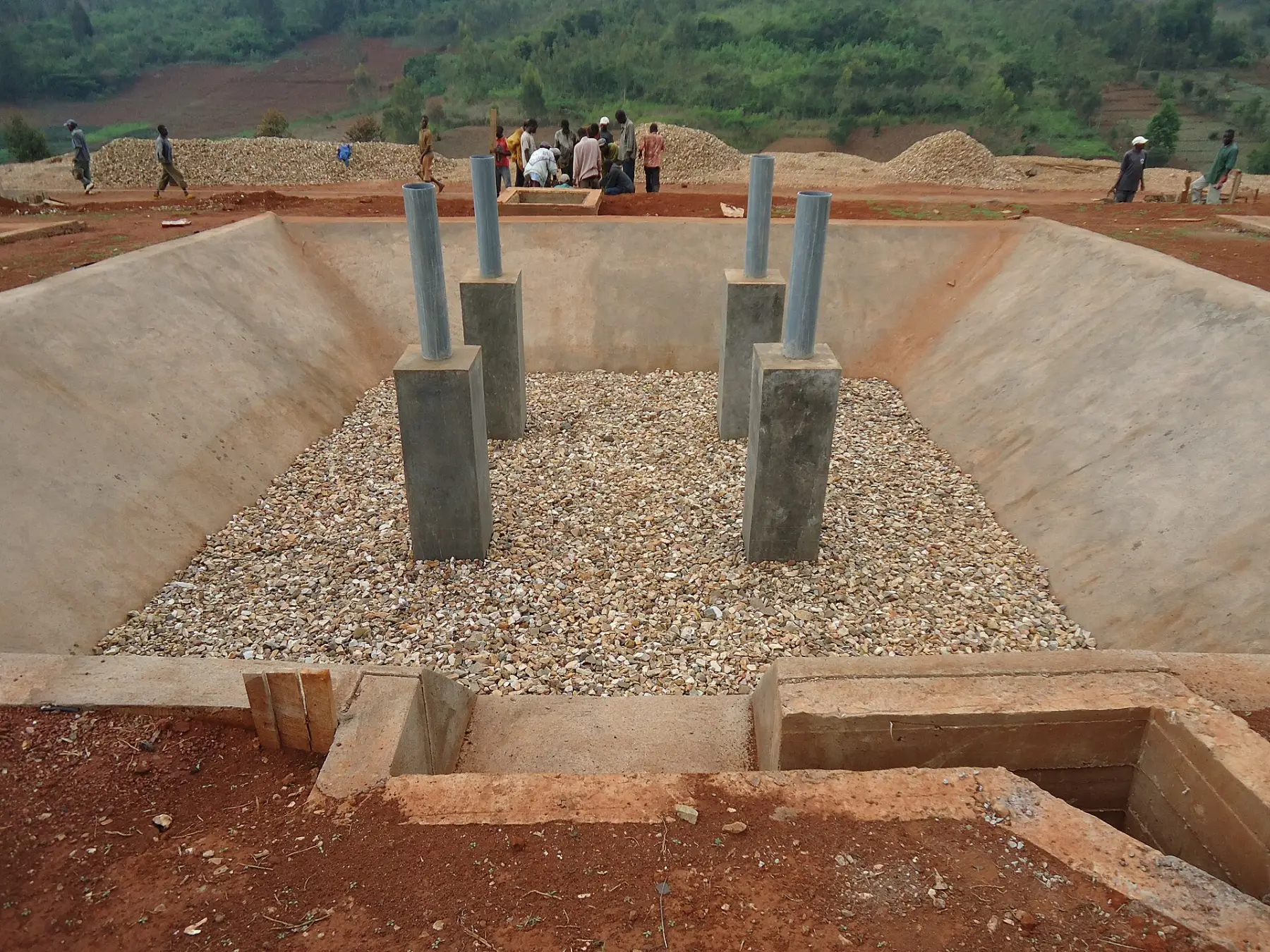
Disposal is the last step. Once the residue meets the criteria for its destination, it can be placed in an engineered, licensed cell or otherwise managed in line with the approvals held by the facility. Material that does not meet the criteria goes back for further treatment, not forward to disposal. Operators should confirm the current acceptance requirements with NEMA and the receiving facility before any waste is moved.
Sites that generate sludge regularly can reduce the quantity by keeping water out of oil systems, cleaning separators on a planned schedule and avoiding unnecessary chemical additions, which tend to stabilise emulsions.
Step five: records throughout
Every stage should leave a paper trail: sample results, volumes in and out of each step, the destination of each fraction, and the signatures of the people involved. This is what allows a generator to show that sludge removed from its tanks ended up where it was supposed to, and it supports audits and inspections. The expectations are outlined in waste tracking and documentation.
Final thoughts
Responsible operators regard sludge as a managed material with a defined path, not as an unavoidable nuisance. White Nile Consults treats oilfield wastes at its licensed 110-acre facility in Kikuube District, applying recovery and reuse first and disposal last, and offers solid waste treatment and disposal supported by solids control. If you are planning a tank clean-out or have accumulated sludge on site, please contact the team to discuss next steps.
Comments
No comments yet. Be the first to share your thoughts.