

Waste characterisation is the step where you find out what a waste actually is, before anyone decides how to treat it. It covers sampling, analysis and a reasoned assessment of composition, volume and risk. For oilfield operators in Uganda, getting it right at the start prevents mismatched treatment, delays at the facility gate and costly rework later. This article explains what characterisation involves, what information to gather, and how the results are used to select a treatment and disposal route.
What waste characterisation means in practice
Characterisation is not simply naming a waste type from a drilling programme. A label such as "oily sludge" or "water-based cuttings" tells you where the material came from, but not how oily it is, what salts or metals it contains, how much water it holds or how it will behave when handled and treated.
A proper characterisation answers four questions. What is in the waste? How much of it is there? How hazardous is it to people and the environment? And what does it need in order to be treated, reused or disposed of lawfully? The answers come from a mix of process knowledge, field observation and laboratory analysis.
Start with process knowledge and a site review
Before any sample is taken, gather what is already known. The drilling programme, mud system records, chemical inventories, safety data sheets and the history of the pit or tank all tell you what could be present. Where the waste came from also matters. Material from a flare pit, a produced water tank and a cuttings dryer will each have a different profile.
A site visit adds practical detail: how the waste is stored, whether it is segregated, whether different streams have been mixed, whether the containment is intact and whether rainwater has diluted or spread it. Mixed streams are among the most common reasons a characterisation produces unexpected results.
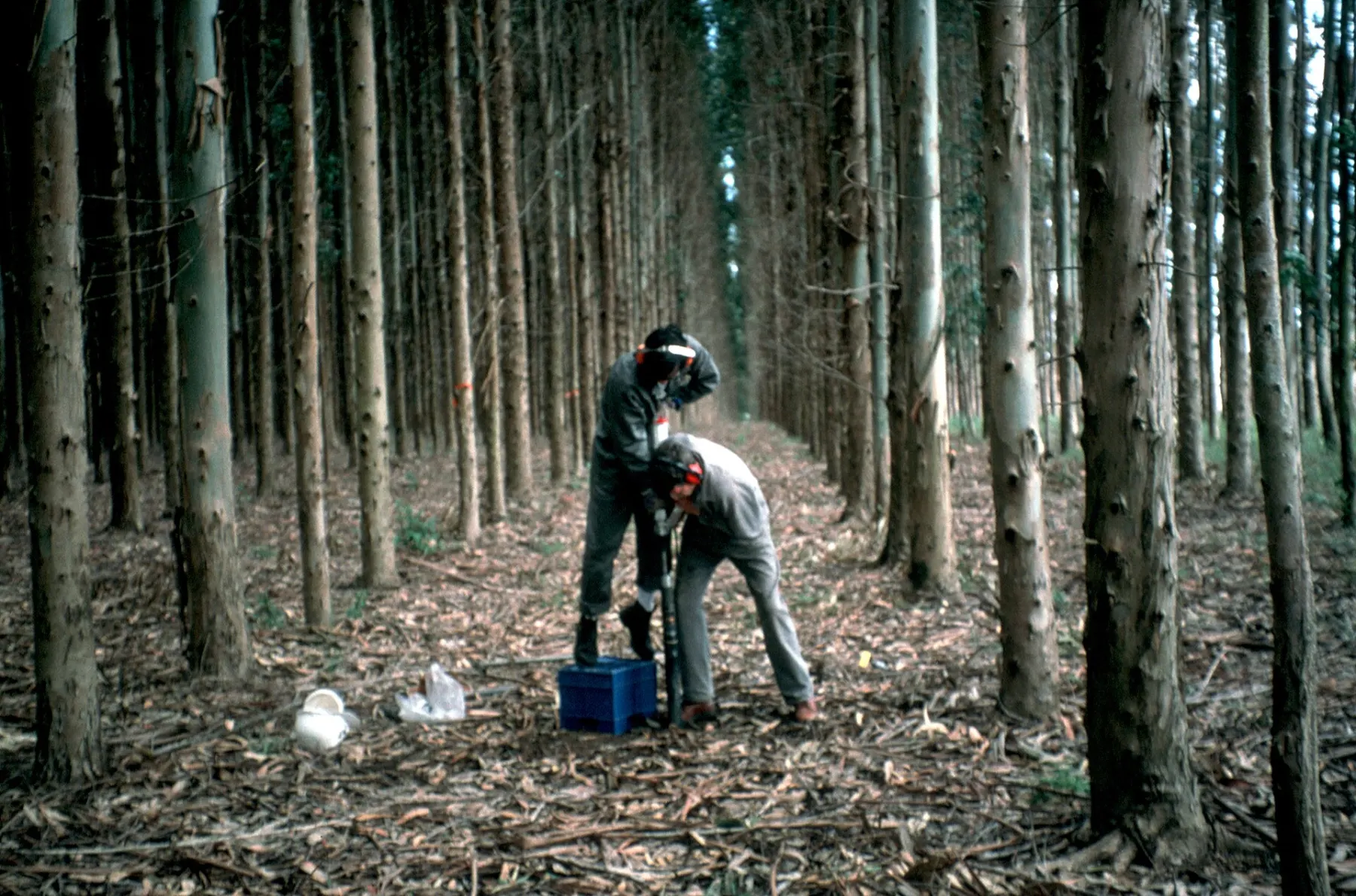
Sampling: representative, safe and documented
Sampling determines whether everything that follows is meaningful. A sample must represent the waste, not just the easiest part of it to reach. Heterogeneous material, such as a settled sludge with a water layer on top, usually needs samples from different depths and locations, sometimes combined and sometimes analysed separately depending on the purpose.
Good practice includes:
- A written sampling plan that states locations, number of samples and the reason for each.
- Clean, suitable containers and correct preservation for the parameters to be tested.
- Labels that carry a unique reference, date, location and sampler name.
- A chain of custody record from the field to the laboratory.
- Appropriate PPE and gas awareness for staff, especially around tanks and pits.
Each of these steps is simple on its own. Missing any of them can undermine the whole result, which is why documentation discipline matters as much as technique.
Composition, volume and risk: what the data should show
Laboratory analysis is chosen to fit the waste and the intended route. Typical parameters for oilfield wastes include hydrocarbon content, moisture, pH, salinity indicators, and metals, with additional tests where the history of the material suggests other concerns. Physical properties such as particle size and consistency also influence handling and treatment design.
Volume estimates matter because they drive logistics, treatment scheduling and cost planning. Be clear about whether a volume is measured or estimated, and in what units.
Risk assessment then ties the data together. It considers toxicity, flammability, reactivity, mobility in soil and water, and exposure routes for workers. The distinction between categories is explained in hazardous vs non-hazardous oilfield waste, and the quality of the laboratory work behind these decisions is discussed in ISO 17025 laboratory testing for waste characterisation.
Matching the treatment route to the characterisation
Once the waste is understood, the treatment can be matched to it. Oil-rich sludges may call for physical separation and recovery before anything else. Soils and cuttings with moderate hydrocarbon content may suit biological treatment. Materials with mobile metals or salts may need solidification and stabilisation before placement. Some wastes are candidates for reuse or recovery, and others need licensed disposal.
The sequence follows the waste management hierarchy: look for reduction, reuse and recovery first, and treat or dispose only what remains. Characterisation is what makes that sequence workable, because it shows what is realistically recoverable. For an overview of the treatment methods available, see the company's solid waste treatment and disposal service.
How characterisation avoids rework
Skipping or rushing characterisation usually saves nothing. Consider what can happen when treatment starts on assumptions:
- A bioremediation cell is loaded with material that carries too much salt or too many inhibitory compounds, and the process stalls.
- A stabilised batch fails verification because the original metals content was underestimated.
- A load is rejected at a receiving facility because its paperwork does not match what is in the truck.
- A waste is classified too cautiously and sent for expensive treatment it did not need.
Each of these is a characterisation failure that appears later as time and money lost. Repeating a sampling programme after a failed batch costs more than doing it properly once.
Keeping characterisation current
Characterisation is not permanent. If the drilling fluid system changes, if a new additive is introduced or if storage conditions alter the waste, the earlier results may no longer apply. A sensible rule is to revisit the characterisation whenever the source, process or storage of a stream changes, and to keep the records alongside your tracking documents.
Final thoughts
Responsible operators characterise first, decide second and treat third. The discipline costs relatively little compared with the consequences of treating the wrong thing the wrong way.
At its Kikuube facility, White Nile Consults Limited selects bioremediation, solidification and stabilisation, or licensed treatment and disposal methods according to waste type and risk, which depends on sound characterisation at the front end. If you are planning a campaign and want to discuss sampling and analysis, please contact the team.
Comments
No comments yet. Be the first to share your thoughts.