

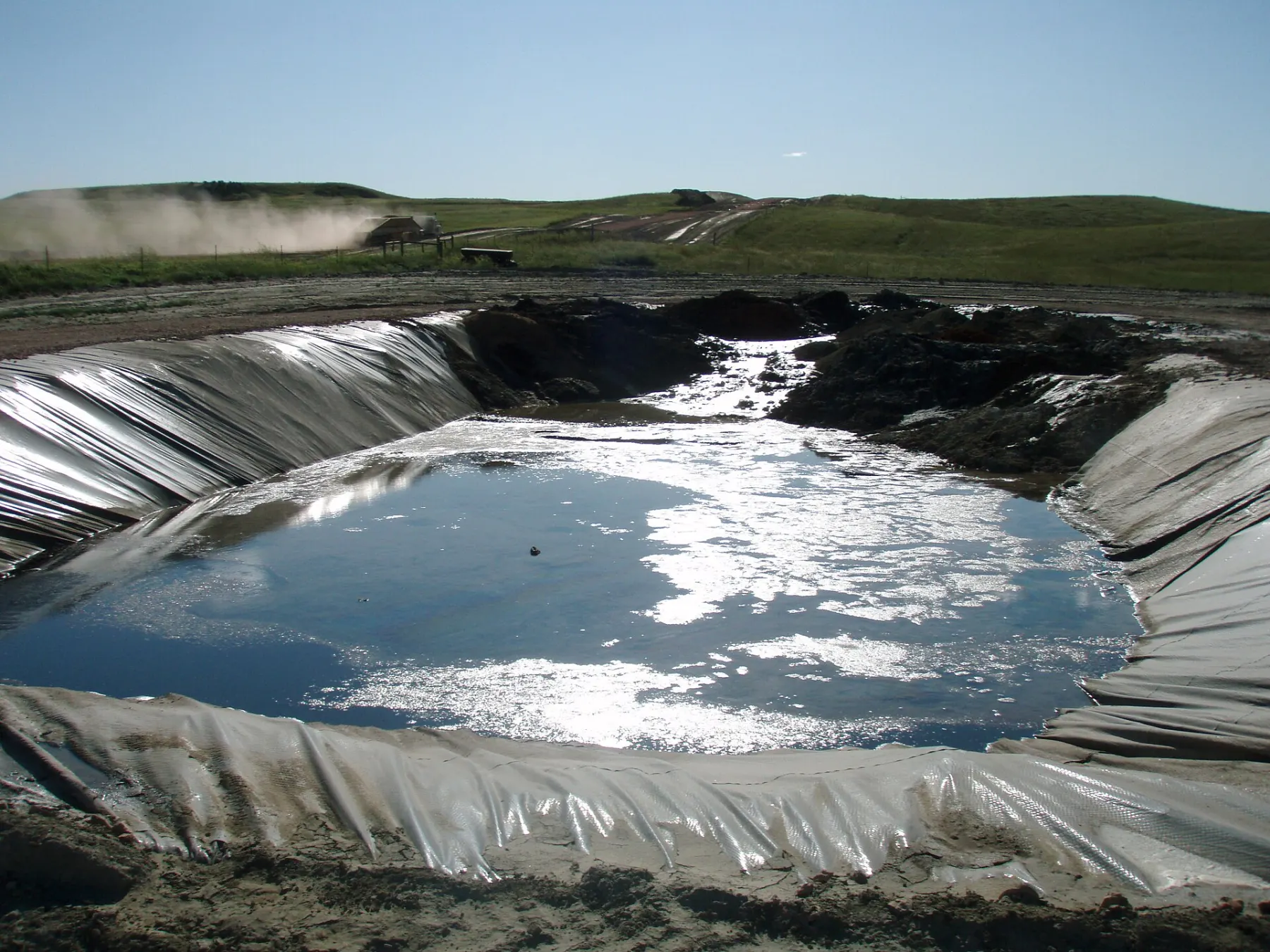
Anyone planning a drilling or production project soon learns that there are many types of oilfield waste, and that each behaves differently in storage, transport and treatment. This article sets out the main categories, explains what makes each one a management issue, and describes in general terms how each is usually handled, so that project managers and HSE leads can plan with realistic expectations.
Why the types of oilfield waste need separating
Classifying waste is the first practical decision in any programme. A stream of used drilling fluid, a drum of spent solvent and a skip of camp refuse call for completely different containment, treatment and disposal. When they are mixed, the whole volume can take on the hazard of its worst component, which raises handling costs and narrows the available disposal options. The question of how to judge risk is explored in hazardous vs non-hazardous oilfield waste.
Good practice is to identify the stream at the point of generation, label it, and keep it separate until its character is confirmed.
Drilling fluids and drill cuttings
Drilling fluids, often called muds, circulate down the well and back up, carrying rock fragments with them. At surface, solids control equipment separates the cuttings from the fluid so the fluid can be conditioned and reused. What remains is a spent fluid that eventually needs management, and cuttings that carry a film of whatever fluid they were drilled with.
Whether these are treated as hazardous depends on the fluid system used, the hydrocarbon and salt content, and the results of testing. Treatment routes often include bioremediation, solidification and stabilisation, or other licensed methods, with recovery of fluid wherever practical. A fuller explanation is in drilling fluids and drill cuttings.
Oily sludge and hydrocarbon-contaminated soil
Oily sludge builds up in tanks, separators and pits as a mixture of hydrocarbons, water and fine solids. It is dense, can be difficult to pump and often contains material worth recovering. Contaminated soil comes from leaks, spills and poor drainage around equipment, and varies from lightly stained ground to heavily saturated material.
Both streams are commonly treated by recovering free oil first, then applying biological treatment or stabilisation to what remains. The choice depends on concentration, soil type and the end use planned for the treated material.
Wastewater and produced water
Water appears in many forms: produced water that comes up with the oil, wash water from equipment, drainage from work areas, and sanitary and camp wastewater. Each carries a different load of oil, salts, solids, chemicals or organic matter.
Treatment generally combines physical separation of oil and solids with biological or membrane-based processes, depending on the target quality. Discharge to the environment normally requires an appropriate permit and compliance with the conditions attached to it. White Nile Consults delivers this work through its waste water treatment and disposal service.
Solid, packaging and general waste
Away from the wellbore, operations produce plenty of ordinary but still important waste: used filters, rags and absorbents, empty drums and chemical containers, scrap metal, wood and plastics, electrical items, and food and office waste from camps.
Some of this is hazardous because of what it once contained, while much of it is not. Segregation systems at source make the difference. Clean metals, wood and plastics may go for recycling or reuse, while contaminated items are routed for treatment and licensed disposal. The company's solid waste treatment and disposal service covers these streams.
In summary, the streams above are usually handled as follows.
- Drilling fluids and cuttings: high volume, treated by recovery, bioremediation or stabilisation depending on testing.
- Oily sludge: recover oil first, then treat the residue.
- Contaminated soil: biological treatment or stabilisation, matched to concentration and soil conditions.
- Wastewater and produced water: treated and, where permitted, discharged or reused.
- Solid and packaging waste: segregated, recycled where clean, treated or disposed of where contaminated.
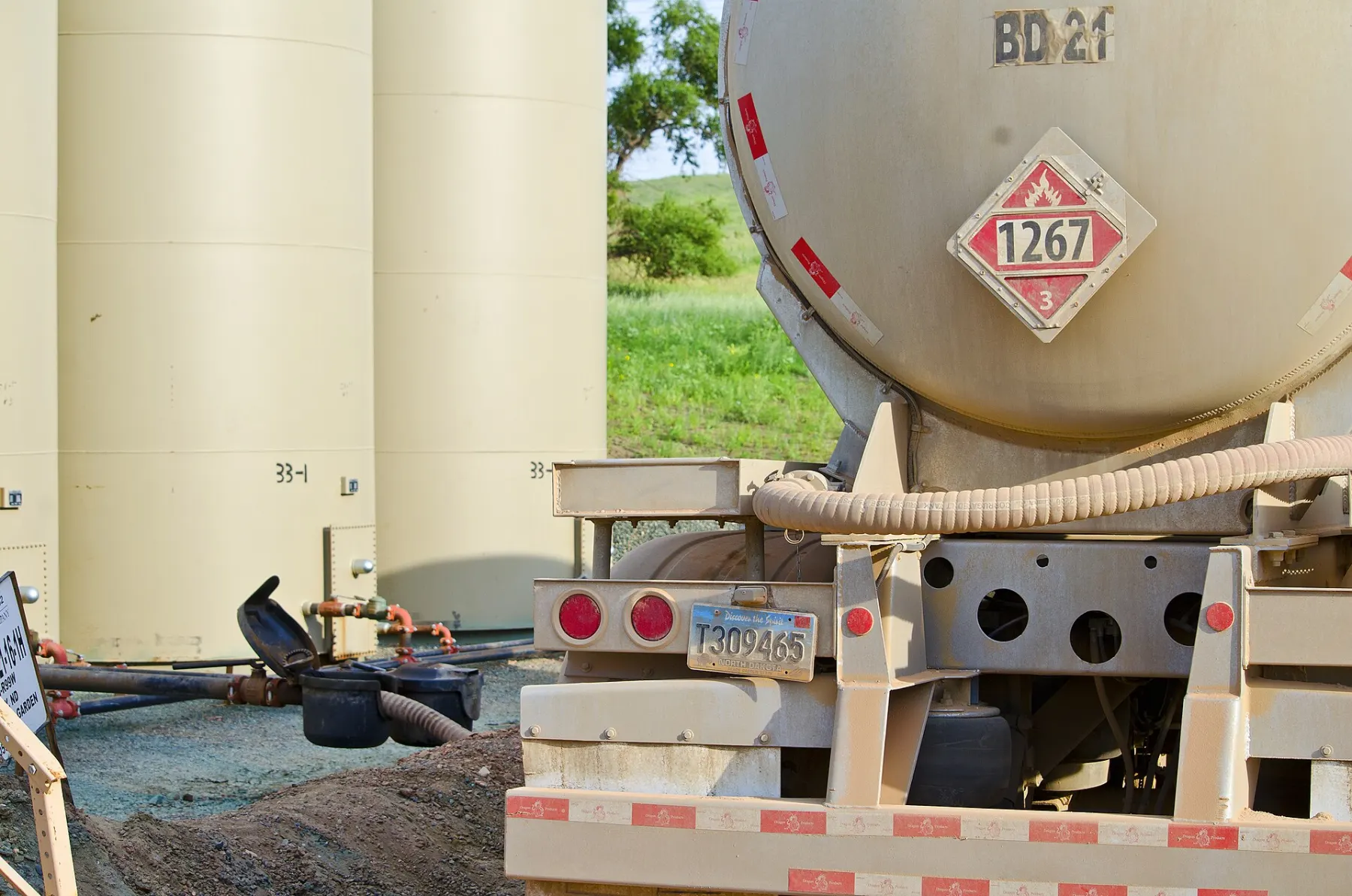
- Chemical containers and special items: handled according to their safety data and the applicable regulations.
This list is a starting point for planning, not a substitute for testing. Two sludges that look alike can respond very differently to the same treatment, and a contaminated soil with high salt content will not behave like one with hydrocarbons alone.
Handling the different types of oilfield waste with care
The categories above are only a starting point, and the boundaries between them blur in practice: oily sludge may hold a good deal of water, a wastewater may carry fine solids and a contaminated soil may include packaging debris. Real waste streams are often mixtures, and the same label can hide quite different chemistry. Laboratory characterisation, preferably from an accredited laboratory, gives the evidence needed to select a treatment route and defend it later. Operators should confirm current classification and handling requirements with NEMA and, where relevant, the Petroleum Authority of Uganda, since expectations are updated from time to time.
Final thoughts
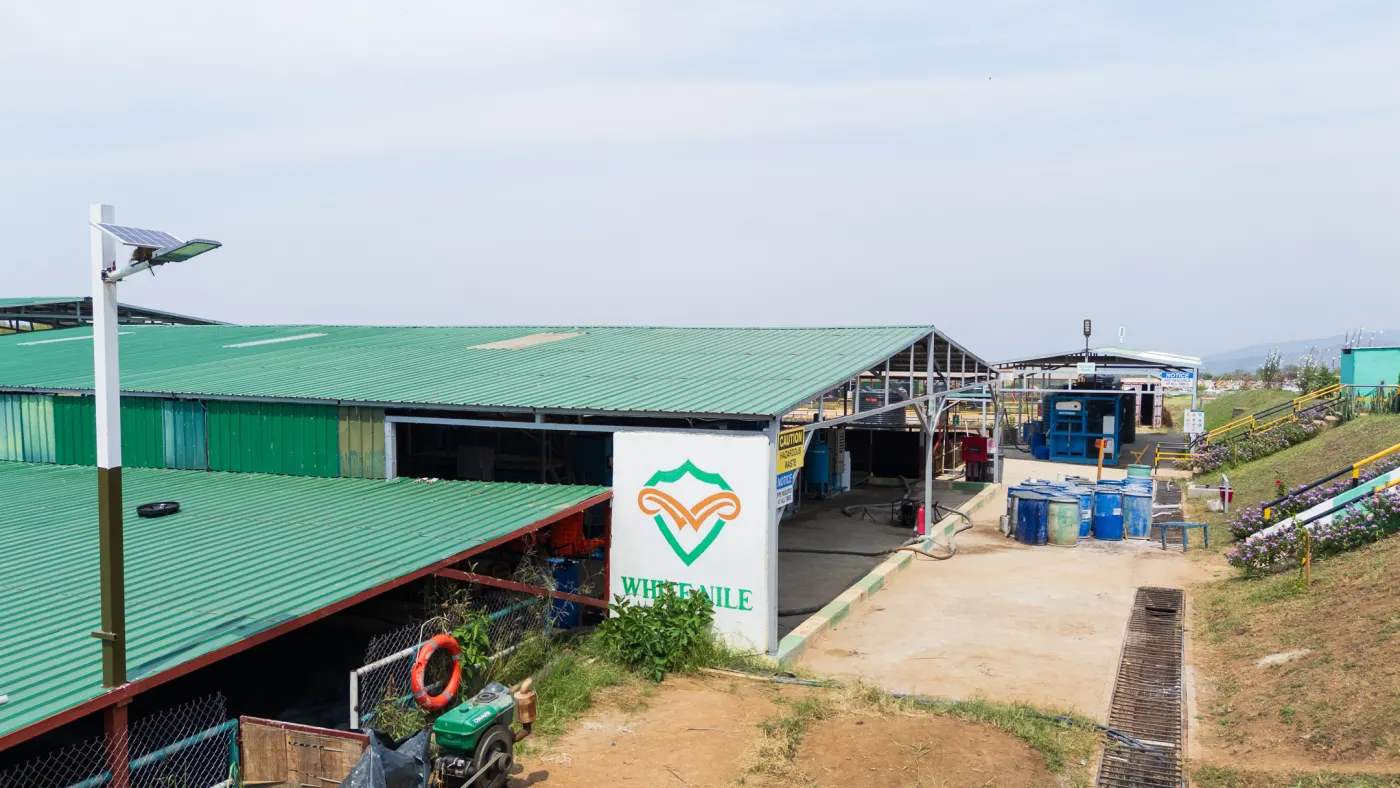
Responsible operators begin with an inventory of what their activities will produce, assign each stream a route before the rig arrives, and revisit the plan as conditions change. White Nile Consults works from its licensed treatment site in Kikuube District and applies bioremediation, solidification and stabilisation, and other licensed methods according to waste type and risk, with recovery and reuse preferred and disposal last. If you would like to discuss the waste streams on your project, please contact the team.
Comments
No comments yet. Be the first to share your thoughts.