

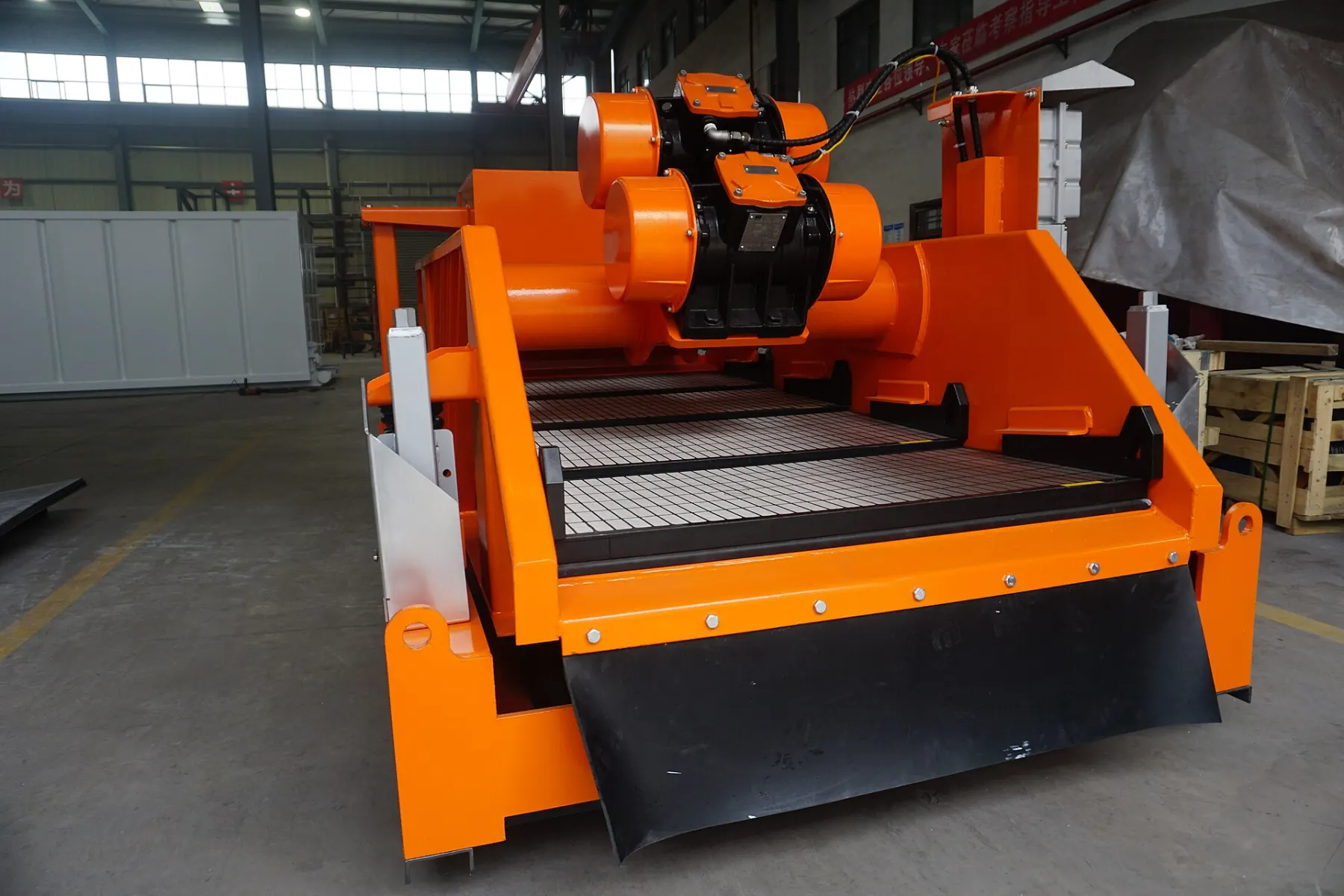
Drilling fluids and drill cuttings are the two largest waste streams from most onshore wells, and they are closely linked: the fluid carries the cuttings out of the hole, and the cuttings leave coated in fluid. This article explains what each one is, how contamination arises, what treatment and disposal routes are typically used, and why volume planning matters so much for drilling programmes in Uganda and elsewhere.
What drilling fluid does
Drilling fluid, or mud, is far more than lubricant. It cools and cleans the bit, lifts cuttings to surface, holds back formation pressure through its weight, supports the wall of the hole and keeps the cuttings suspended when pumping stops. Its properties are adjusted continuously as the well goes deeper and conditions change.
Fluids are usually grouped by their base: water-based, oil-based or synthetic-based. The base has a direct effect on how the resulting waste is handled, a point developed in water-based vs oil-based drilling mud.
Where drill cuttings come from
Cuttings are the crushed rock the bit removes as it advances. They arrive at surface carried in the fluid, and shale shakers, centrifuges and related solids control equipment separate most of the solids so the fluid can be cleaned and circulated again. The separated solids are the cuttings stream.
Their character varies with the formation drilled. Some are clean, coarse rock fragments; others are sticky clays holding a lot of moisture. Either way they carry a coating of drilling fluid, which is what turns an inert rock into a waste needing management.
How drilling fluids and drill cuttings become contaminated
The concerns usually relate to what the fluid has added to the rock: hydrocarbons in the case of oil-based or synthetic systems, salts, and chemical additives such as weighting agents or treatment chemicals. Left uncontrolled, these can affect soil structure, plant growth and nearby water.
Whether a given batch is hazardous is determined by characterisation and testing against applicable criteria, not by assumption. The reasoning is covered in hazardous vs non-hazardous oilfield waste. Operators should confirm the current limits and classification approach with the regulator.
Treatment and disposal routes
Typical routes include the following, chosen according to the waste stream and site conditions.
- Fluid recovery and reuse: conditioning spent fluid so it can serve another well section or project.
- Bioremediation: using microbial activity to break down hydrocarbons in cuttings or soil, often in managed treatment areas.
- Solidification and stabilisation: mixing waste with binders so that contaminants are bound and the material becomes physically stable.
- Dewatering and separation: removing liquids from solids to cut volume and recover fluid.
- Licensed disposal: placing treated residue in an approved facility when no recovery or reuse option remains.
Recovery and reuse are preferred where they are technically sound, with disposal as the last step. Treated material may sometimes serve a beneficial purpose, but any such use should be agreed with the regulator and supported by test results.
Why volumes of drilling fluids and drill cuttings matter
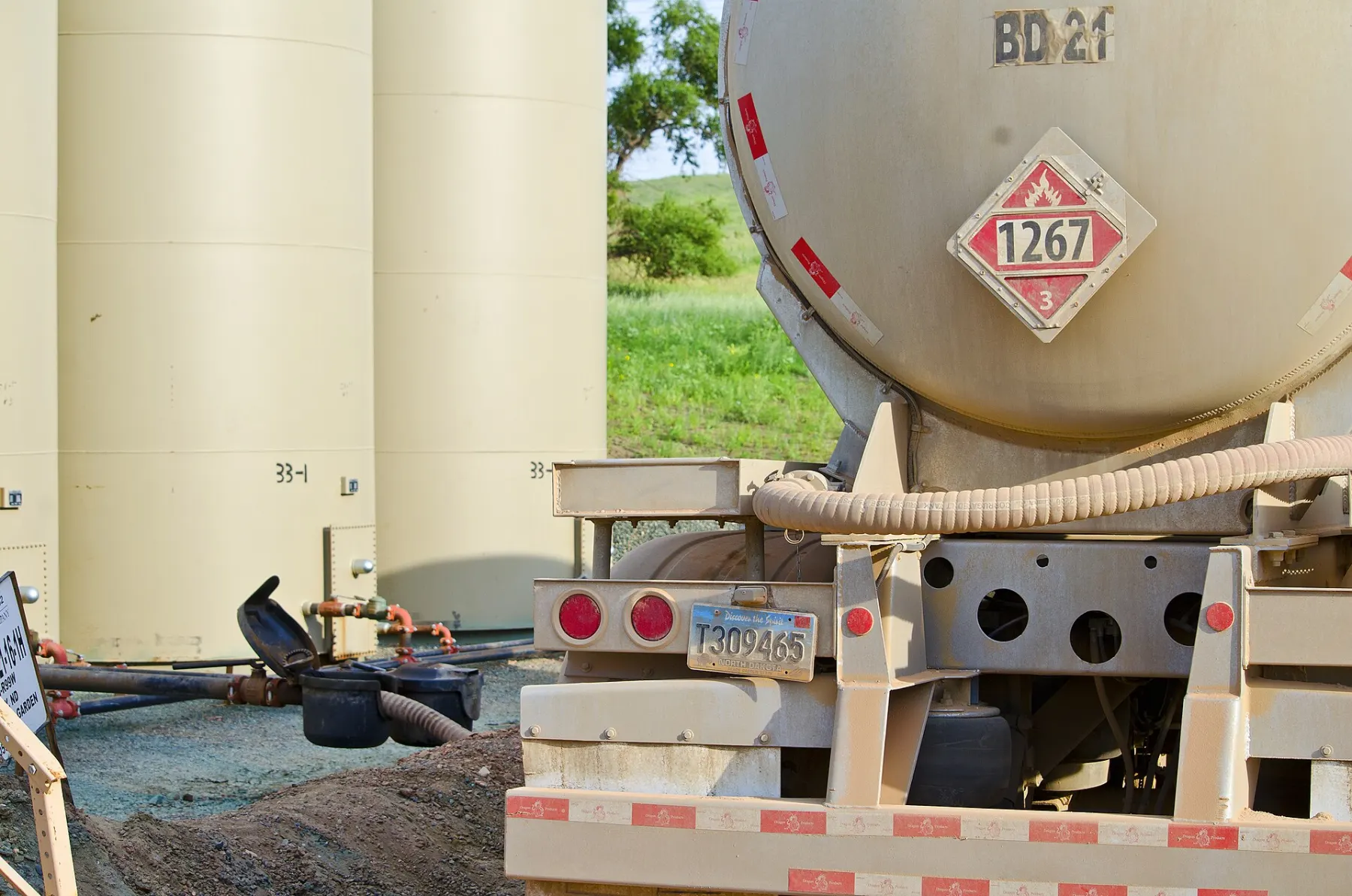
A single well can generate a large quantity of cuttings and fluid, and a multi-well pad multiplies it. Storage space, trucking capacity and treatment throughput all become bottlenecks if volumes are underestimated. A rig that cannot move waste off the pad on time may eventually have to slow down.
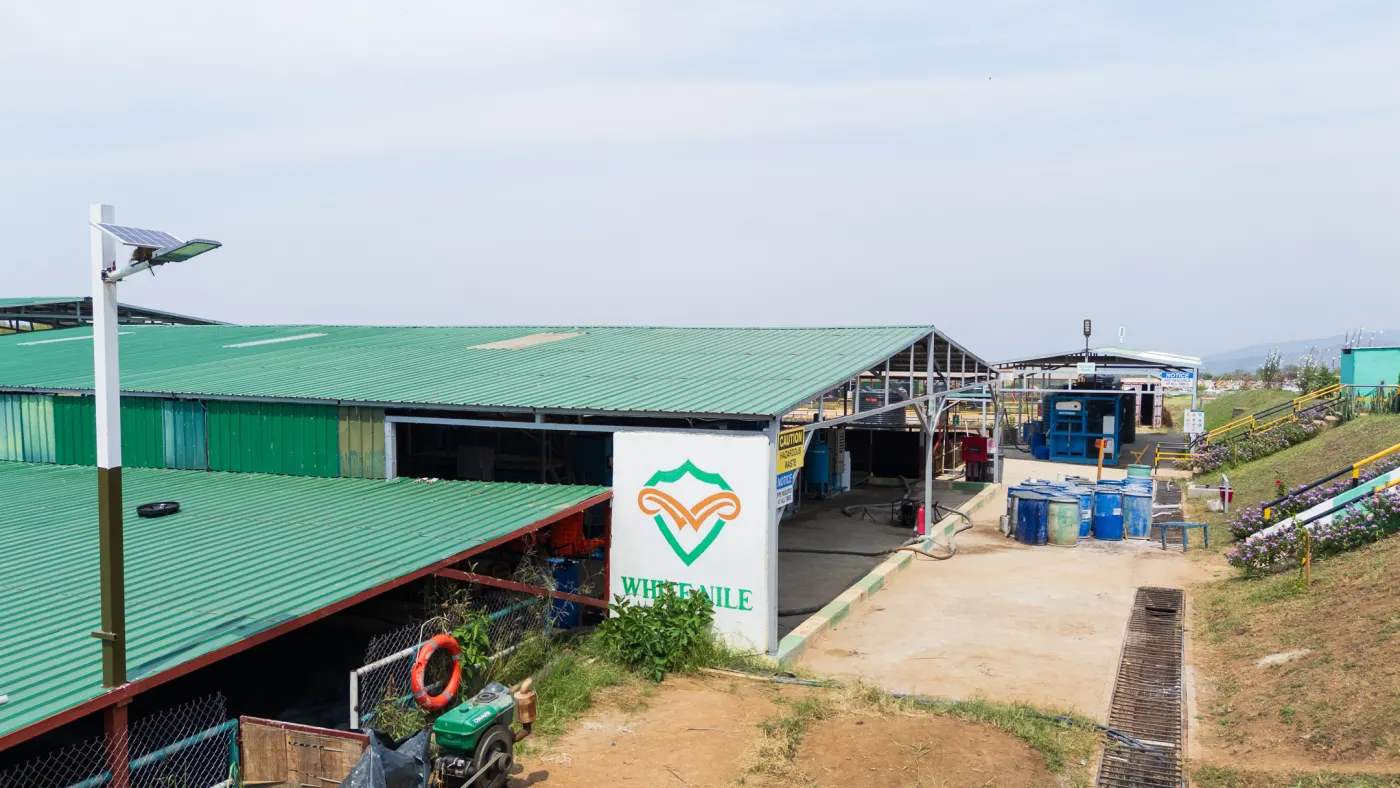
For this reason, planning should start with realistic volume estimates for each hole section, and then match them to storage on site, transport schedules and the daily capacity of the treatment facility. White Nile Consults operates a 110-acre treatment facility in Kikuube District that can process up to 1,000 tons of drill cuttings and 400 cubic metres of drilling fluids daily, giving drilling programmes in the Albertine Graben a local treatment option. Its solid waste treatment and disposal service covers the cuttings side of this work.
Several habits make waste handling easier at the rig. Keep cuttings and fluids from different hole sections apart if their characters differ. Maintain lined, bunded storage and check it regularly during rain. Record volumes and tank movements daily. Sample before transport so that the receiving facility has accurate information in advance. Reducing the amount generated in the first place, through efficient solids control and fluid reuse, lowers every downstream cost, as discussed in reducing waste at the source in drilling operations.
Monitoring and verification after treatment
Treatment is only complete when results confirm it. For cuttings treated by bioremediation, teams typically track hydrocarbon concentrations over time against agreed targets. For stabilised material, tests commonly look at strength and at how readily contaminants leach. For recovered fluid, the question is whether its properties are suitable for reuse. These results, filed with the load records, show a client or regulator that the waste was dealt with as described. Where results fall short, the material is retreated or sent to a licensed disposal route rather than being released.
Final thoughts
Responsible operators treat drilling waste as part of well planning, not as something that appears after the well is complete. They characterise early, plan capacity, prefer recovery to disposal, and keep a clear record of every load. White Nile Consults supports drilling teams with solids control, treatment and disposal from its licensed site, and you are welcome to contact the team to discuss your programme.
Comments
No comments yet. Be the first to share your thoughts.