

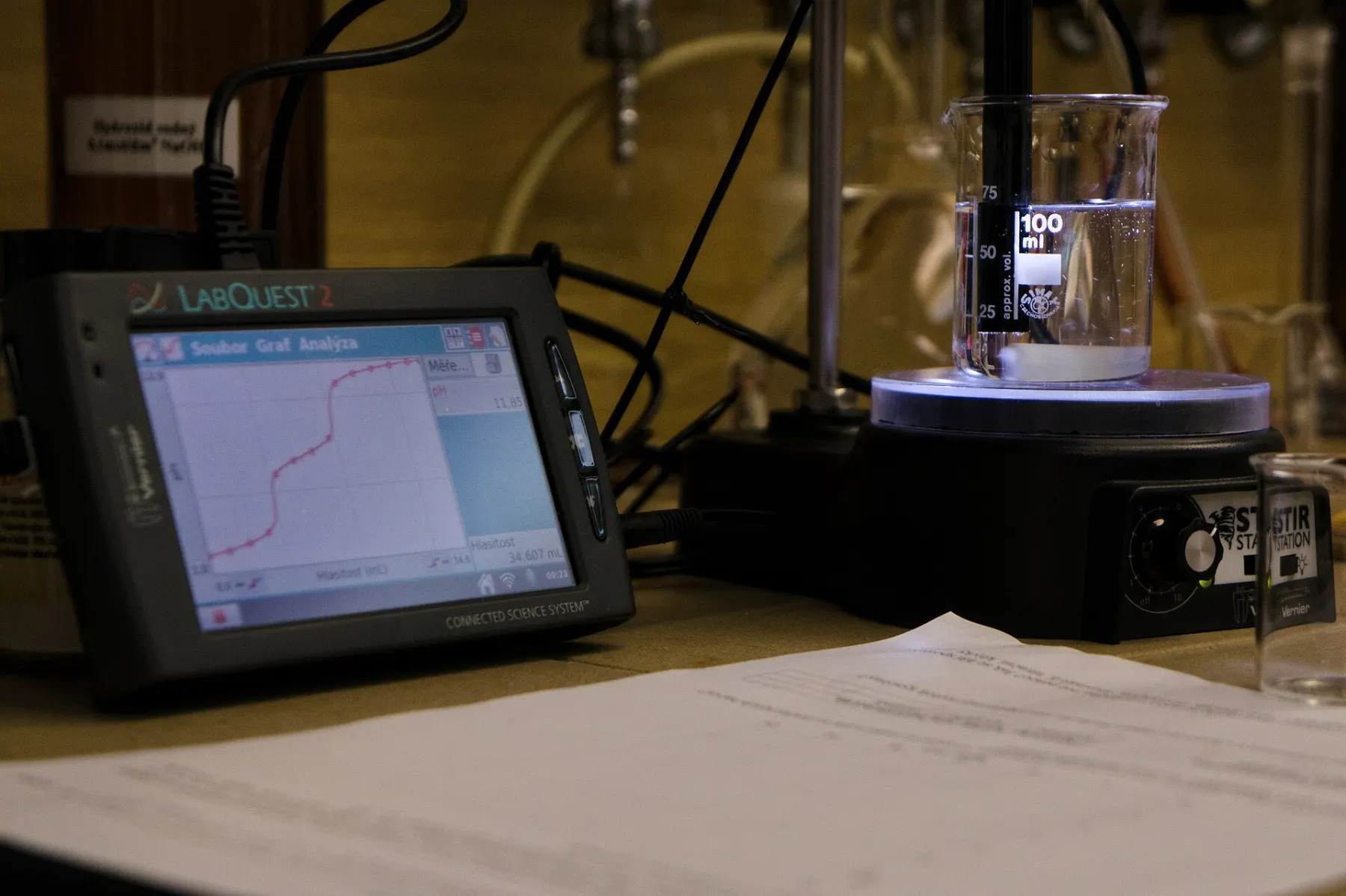
Chemical neutralisation of waste is the controlled adjustment of acidic or alkaline material to a safe, near-neutral condition before further treatment or disposal. It is used on corrosive and some reactive wastes that arise around oilfield operations, such as spent acids from well stimulation, alkaline cleaning solutions and certain process effluents. This article explains when neutralisation is appropriate, why control matters so much, how results are verified and what happens to the material afterwards, so that project teams can judge whether a proposed approach is sound.
When chemical neutralisation of waste is used
Neutralisation is suited to liquids and slurries whose main hazard is extreme pH. A strongly acidic or alkaline waste can corrode tanks and pipework, harm people on contact, damage biological treatment systems and make disposal unlawful. Bringing the pH towards neutral removes much of that hazard and often makes further treatment possible.
It is not a universal solution. It does not remove heavy metals, hydrocarbons or other contaminants, and some wastes that look corrosive also contain other hazardous constituents. In those cases neutralisation is one step in a sequence, not the end of it. The decision about whether a waste can be neutralised should rest on characterisation, which is why waste characterisation comes first in sound practice.
Why chemical neutralisation needs controlled conditions
Neutralisation is a chemical reaction, and reactions release energy. Adding a strong base to a strong acid can generate considerable heat, fumes and splashing, and adding reagent too quickly can cause foaming or boil-over. Some combinations produce gases that are toxic or flammable. For these reasons the work is done in suitable vessels, with materials that tolerate the chemistry, and by trained personnel following a written procedure.
Controls that are normally expected include:
- Compatibility checks, ideally with small-scale trials, before any full batch is treated
- Slow, measured addition of reagent with mixing
- Temperature and pH monitoring throughout
- Ventilation or fume management in the work area
- Appropriate PPE, eyewash and spill response materials close at hand
- A clear stop condition if the reaction behaves unexpectedly
Wastes should never be combined on the assumption that they will cancel each other out. Mixing unknown streams is a recognised cause of incidents, and the safe handling principles in safe transport and handling of hazardous waste apply from the moment the container is opened.
Choosing reagents and managing the reaction
Reagent choice depends on the waste and on what the treated material will go on to do. Acidic wastes are commonly neutralised with alkaline reagents, and alkaline wastes with acidic ones, but the specific chemical matters. Some reagents add salts or solids, so the volume and character of the output change. Cost, availability, ease of handling and the effect on downstream treatment all play a part.
Targeting exactly neutral is rarely necessary and can be hard to achieve. Operators more often aim for a pH range that suits the next step, for example the range acceptable to a biological treatment unit or the criteria of the receiving facility. Overshooting is a real risk, so reagent is added in stages with measurement between each.
Training and supervision deserve a mention of their own. Neutralisation looks routine to anyone who has done it many times, and that familiarity is when shortcuts appear: skipping the trial, adding reagent from a drum that was not checked, or working without a second person present. A short pre-task briefing, a permit to work where the site requires one, and a clear record of who authorised the batch all help to keep the operation disciplined. Equipment should also be inspected before use, since pumps, hoses and tanks that handle corrosive liquids deteriorate faster than those that do not.
Verifying the result
A neutralised waste has not been proven safe until it has been tested. The pH should be measured with a calibrated meter, and a representative sample should be checked rather than a single spot reading from the surface of a tank. Where metals, salts or other constituents are of concern, laboratory analysis is appropriate, and the waste should be held until results are available.
Records matter as much as measurements: the starting pH, the reagent and quantity, the final pH, who carried out the work and when. These details support both safety review and regulatory scrutiny, and they connect to the audit trail described in waste tracking and documentation.
Handling the material afterwards
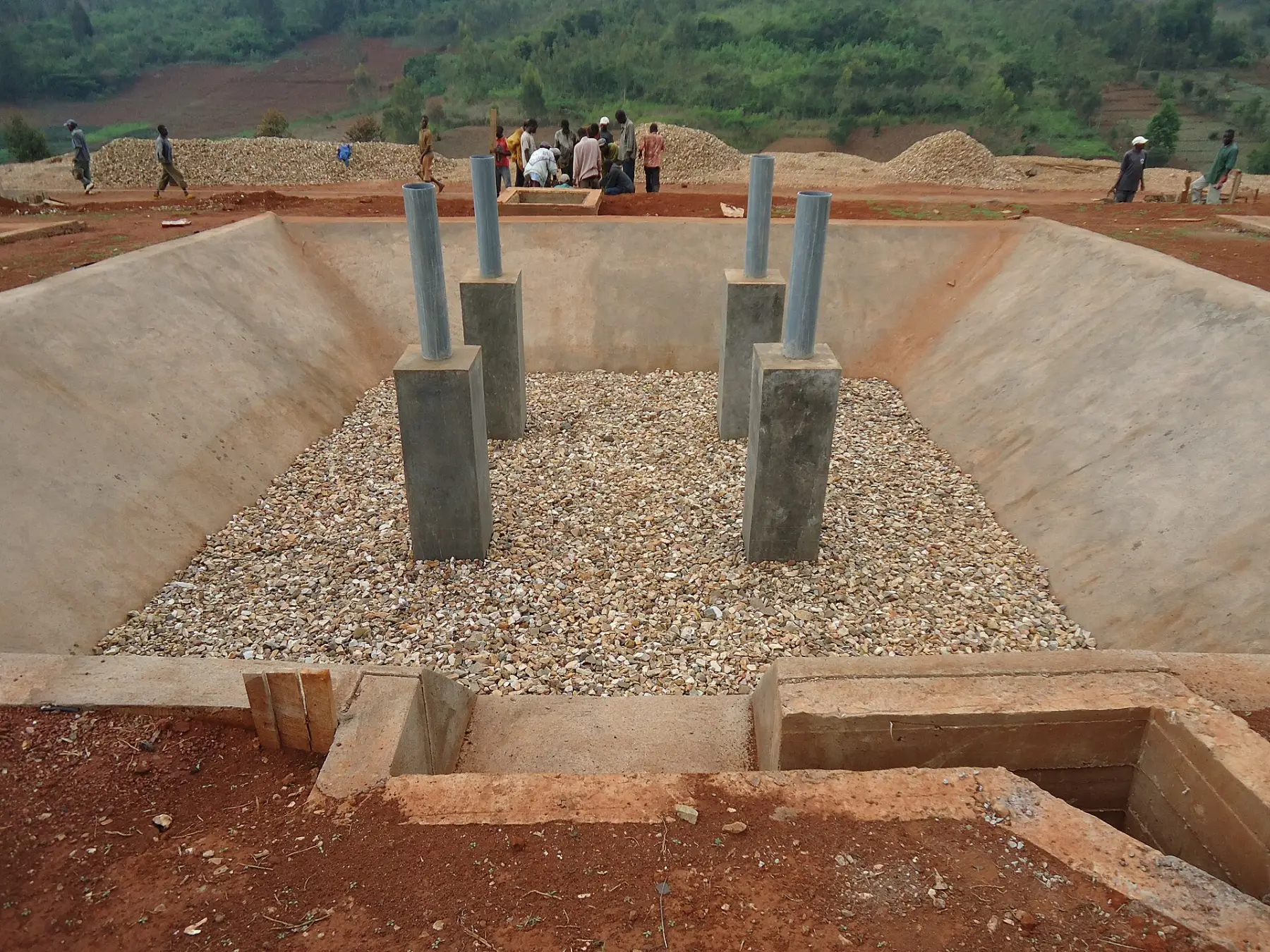
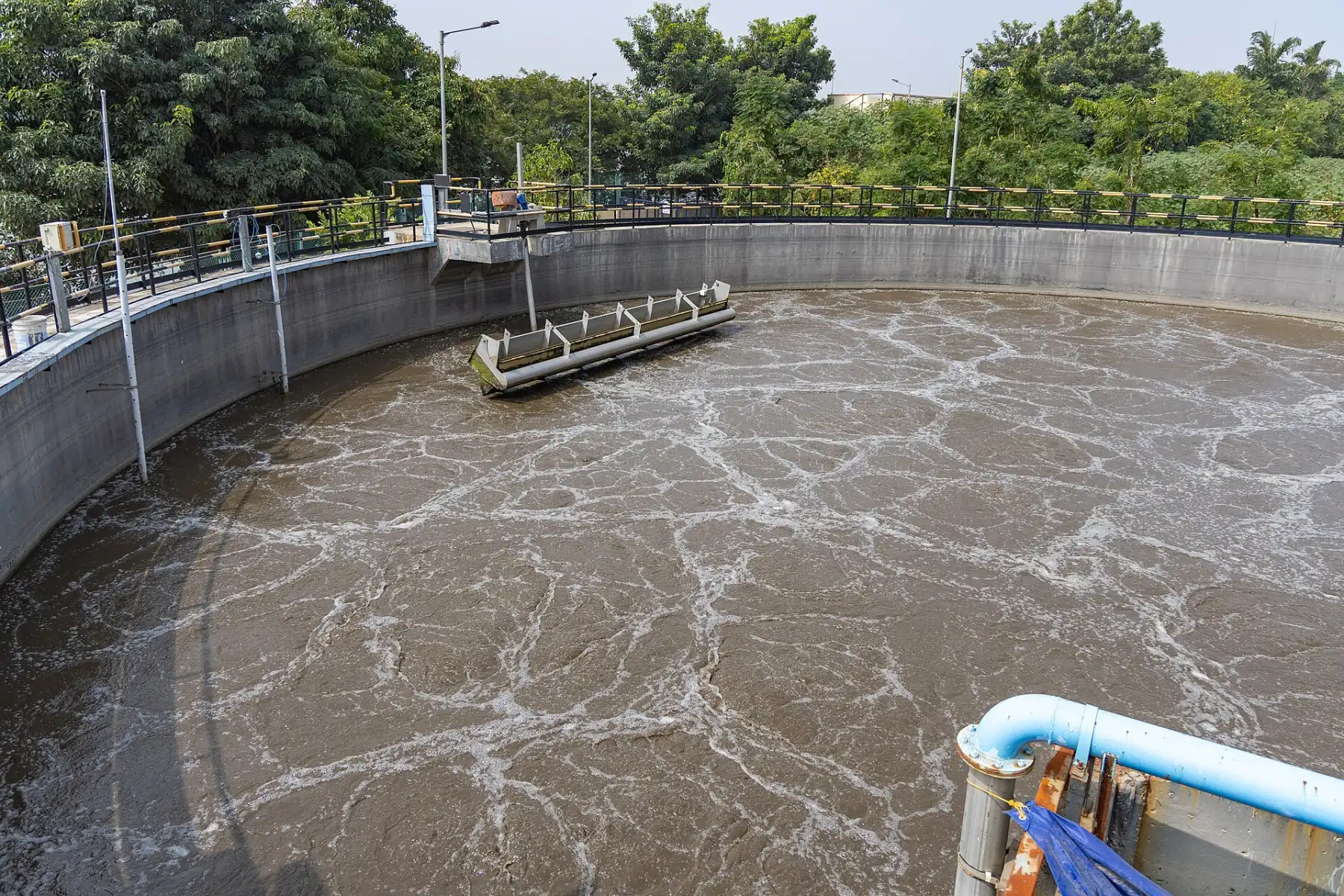
Neutralisation can leave a salt-bearing liquid, a precipitate or a sludge, each of which needs a defined route. The liquid may be suitable for wastewater treatment, subject to its salinity and other characteristics and to the applicable discharge permit. A precipitate or sludge may be dewatered and then treated by solidification and stabilisation or sent to a licensed disposal route. In every case the aim is the same: the output has to go somewhere approved, and that destination should be agreed before neutralisation starts, not after.
Operators should also confirm current regulatory requirements with NEMA, since the classification of a neutralised waste can still be hazardous if other constituents remain.
Final thoughts
Responsible operators regard neutralisation as a skilled operation rather than a quick fix. White Nile Consults applies treatment and disposal methods chosen by waste type and risk at its licensed Kikuube facility, and works under ISO 45001 and ISO 14001 management systems; the certifications page lists them. If you have a corrosive or reactive stream and want to understand the options for treating it, please contact the team.
Comments
No comments yet. Be the first to share your thoughts.