

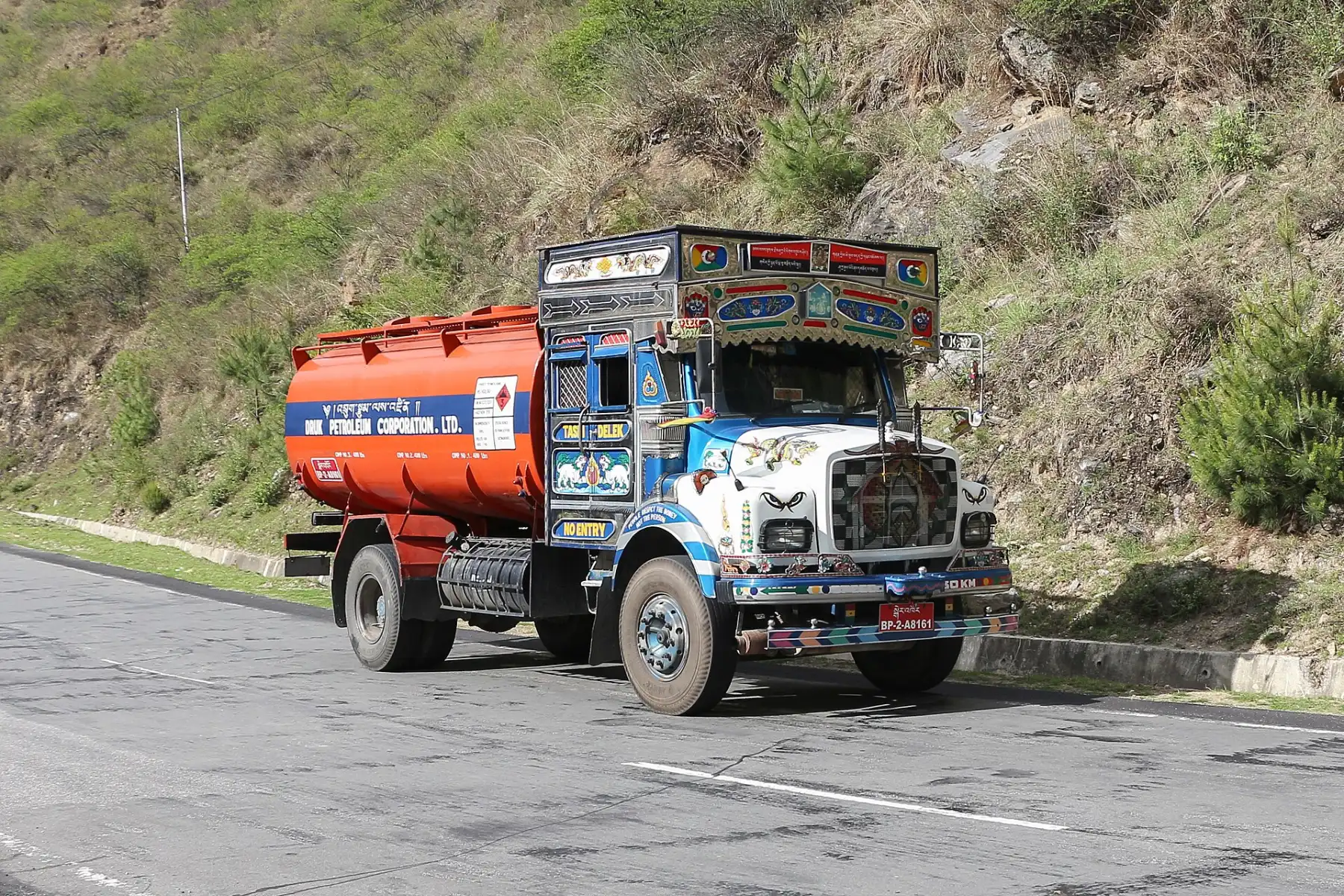
Hazardous waste transport is one of the stages where a well-run waste programme can still go wrong, because the material leaves the controlled environment of the site and enters public roads, communities and sensitive ecosystems. For operators in Uganda's Albertine region and beyond, safe movement depends on containment, correct labelling, suitable vehicles, trained drivers, sensible route planning and complete paperwork. This article sets out the practical controls an HSE lead or logistics manager should expect to see in place before a load leaves the gate.
Why hazardous waste transport needs its own controls
On site, spill containment, trained staff and emergency equipment are close at hand. On the road, a leak or collision can affect people who have no connection to your operation, and responders may not know what they are dealing with. The consequences are therefore wider, and the margin for improvisation is narrower.
For that reason, hazardous waste transport is treated as a controlled activity with its own planning, documentation and competence requirements. Operators should confirm the current legal requirements for carriers and consignments with NEMA and other relevant authorities, since these depend on the type of waste and the activity involved.
Classify and package before anything moves
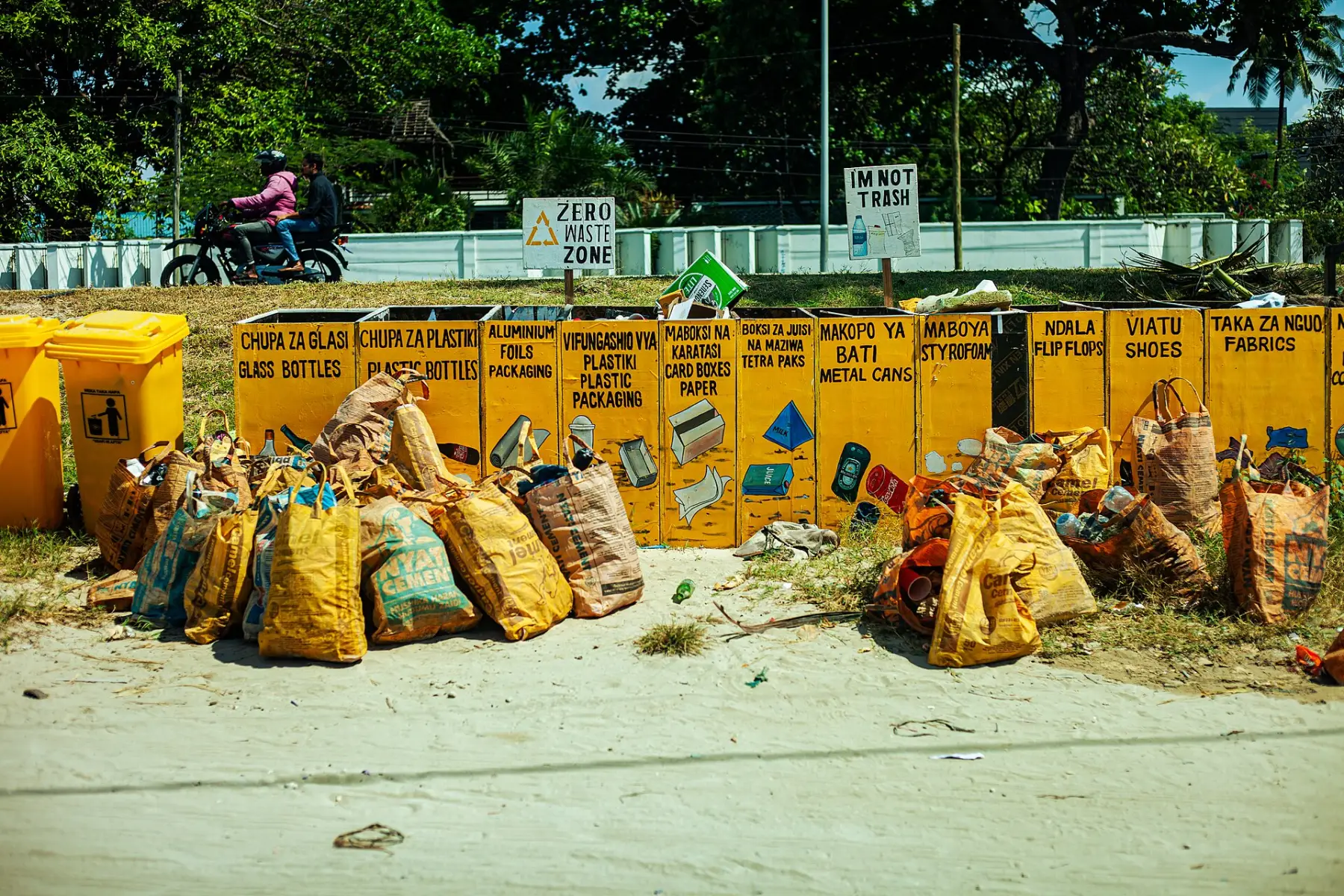
Safe transport starts with knowing what is being moved. The classification and characterisation of the waste determine the container type, the loading method and the precautions needed for the journey. Liquids, sludges, solids and mixed loads each behave differently in transit.
Packaging and containment should be suited to the material and the distance. Typical good practice includes:
- Containers that are compatible with the waste and in sound condition, with no corrosion, cracks or damaged seals.
- Secure lids and closures, checked before loading and again after.
- Secondary containment where a leak would otherwise reach the ground or a drain.
- No overfilling, leaving room for expansion and movement.
- Segregation of incompatible materials, never combined in one vehicle compartment.
- Load restraint so that containers cannot shift, tip or collide.
Labelling and documentation
Every container and vehicle should be identifiable. Labels should state the waste description, the generator, the hazard characteristics and a contact for emergencies. Drivers and responders need this information in seconds, not minutes.
Alongside labels sits the paperwork: a consignment or manifest note that records the waste description, quantity, generator, carrier, destination and signatures at hand-over and receipt. These records are the backbone of waste tracking and the audit trail. A load that arrives without matching documents creates problems at the receiving facility and for the operator.
Vehicles, drivers and route planning for hazardous waste transport
Vehicles should be roadworthy, appropriate for the load type and equipped with the safety items the job requires. For liquids and sludges, this may mean sealed tankers or purpose-built bodies; for solids, covered or contained bodies that prevent spillage and dust. Regular inspection and maintenance records should be available.
Drivers carry much of the risk. They should be licensed, briefed on the waste they are carrying, trained in spill response and basic first aid, and clear about who to call and what to do in an incident. Fatigue management matters, particularly on long hauls.
Route planning is often neglected. A good plan considers:
- The shortest practical route that avoids dense settlements, schools and markets where possible.
- Crossings of rivers, wetlands and other sensitive areas.
- Road condition and seasonal factors such as heavy rain.
- Safe stopping places and timing to avoid peak traffic.
- Approvals and notifications needed for the route or the destination.
Spill kits and emergency readiness
Every vehicle carrying hazardous waste should have a spill kit suited to the material, along with appropriate PPE for the driver and a way to raise the alarm. Kits should be inspected regularly and restocked after use, and drivers should know how to use them.
The first actions after a spill are consistent: make the area safe, stop the source if it is safe to do so, contain the release, keep people away and report it. The principles are described in more detail in the guide to emergency response for oil spills. Practise the sequence with drills, because people respond to incidents the way they have trained.
Loading, unloading and hand-over
Many incidents happen at the beginning and end of the journey, not on the road. Loading and unloading areas should have firm, bunded surfaces where practicable, clear traffic management and trained staff. Hoses, couplings and valves should be checked before use. At the destination, the receiving facility should verify the load against its documentation before acceptance and record any discrepancies immediately. Agree in advance what happens if a load is refused, so the driver is not left holding hazardous material with nowhere to take it. A short written procedure for rejected or returned loads removes much of that uncertainty and keeps everyone calm.
Final thoughts
Responsible operators regard transport as part of the treatment chain, not a separate logistics task. They check the carrier, inspect the load, document the hand-over and rehearse the response.
White Nile Consults Limited operates a licensed waste treatment and disposal site in Kikuube District. Our solid waste treatment and disposal service and the wider ISO 45001 safety framework reflect the same discipline. To discuss transport arrangements for your waste streams, please contact the team.
Comments
No comments yet. Be the first to share your thoughts.