

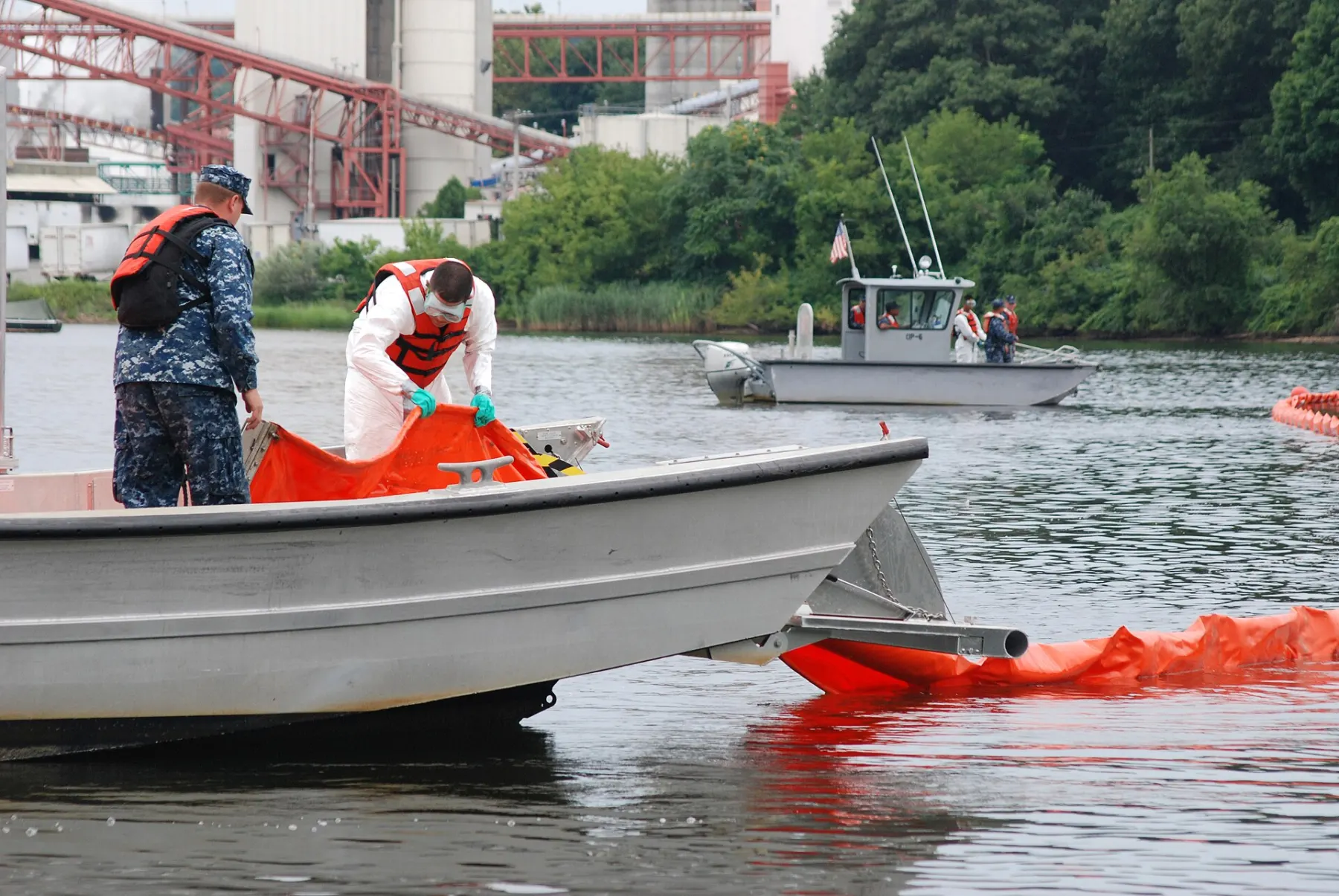
Oil spill emergency response is about what people do in the first minutes and hours, and those actions depend almost entirely on preparation done long before any release occurs. For operators in Uganda's oilfield, where sites sit near wetlands, rivers and farmland, a clear plan, trained people and the right equipment close at hand make the difference between a contained incident and an environmental problem. This guide covers the plan, the roles, the first actions, the equipment and the training that a prepared operation should have.
Why oil spill emergency response planning matters
Spills happen in routine operations: a hose failure during transfer, a corroded tank, an overturned truck, an overflowing bund after heavy rain. Most are small, and a prepared crew can control them quickly. Without preparation, the same event can spread, reach water and become a regulatory and community matter.
Planning is also a legal and practical expectation. Operators should confirm current contingency planning and reporting requirements with NEMA and the Petroleum Authority of Uganda, as these depend on the activity, the permits held and the scale of potential release. The guidance below is general good practice, not a substitute for your approved plan.
What a good response plan contains
A response plan should be short enough to be used under pressure and specific enough to guide real decisions. Core contents typically include:
- A description of the site and what could be released, with locations of drains, watercourses and sensitive receptors.
- Scenarios, from small leaks to major releases, with expected responses for each.
- A clear chain of command, naming roles rather than relying on individuals.
- Notification lists with internal and external contact numbers kept current.
- Equipment locations and inventories.
- Waste handling arrangements for recovered oil and contaminated material.
- Training, drill and review schedules.
Maps are especially useful. A simple site plan marking spill kits, isolation valves, drainage paths and assembly points saves time when people are stressed.
Roles and responsibilities
Confusion about who decides what is a common failure in real incidents. Assign roles before they are needed. Typically someone acts as the incident lead, someone coordinates field response, someone manages communication and notifications, and someone looks after safety, including accounting for people. Each role should have a named deputy.
Contractors need to be part of this structure. If a waste transporter or service company works on your site, make sure its staff know the plan, the reporting line and their own responsibilities.
First actions: stop, contain, notify
The sequence that works for most spills is simple and worth drilling until it is automatic.
First, protect people. Raise the alarm, keep unnecessary persons away and remove ignition sources if the product is flammable. Do not enter a vapour-affected area without suitable protection.
Second, stop the source where it is safe to do so, for example by closing a valve, shutting down a pump or setting an upturned container upright.
Third, contain the release. Use bunds, absorbent booms, pads, soil berms or temporary barriers to prevent spread, and protect drains and watercourses first. Containment on land is far easier than recovery from water.
Fourth, notify. Inform the site lead and the relevant authorities and parties according to your plan and applicable requirements. Record the time, location, estimated quantity and conditions, and keep photographs, which help later assessment.
Equipment, kits and readiness
Equipment should match the credible scenarios and be positioned where it is needed. Typical items include absorbent materials, booms, drain covers, shovels, containers for recovered material, tools that do not create sparks where flammables are involved, PPE, lighting and communication devices. Larger sites may also hold pumps and vacuum equipment for recovering liquids.
Readiness is not just ownership. Check kits on a schedule, restock after use, keep them dry and labelled, and make sure the people who might use them know what is inside. A locked, empty or inaccessible kit is as useless as none at all.
Training and drills for oil spill emergency response
Train everyone who might be first on scene, not only the specialist team. Combine short toolbox briefings with periodic drills that test the notification chain and equipment deployment as well as the physical response. After each drill or real incident, hold a brief review and record the lessons. Update the plan when contacts, equipment or site layout change.
Recovery and waste from a spill response
Responding to a spill creates waste: used absorbents, contaminated soil, recovered oil and water. Plan for temporary storage in suitable containers, labelling, and onward movement to a licensed facility. The follow-on work of assessing and restoring affected ground is covered in oil spill cleanup and site remediation, and safe movement of the recovered material is discussed in safe transport and handling of hazardous waste.
Final thoughts
Responsible operators prepare as though a spill will occur, because over a long operating life some form of release probably will. They keep the plan current, rehearse it and treat each near miss as information.
White Nile Consults Limited can receive and treat oily waste and contaminated material at its licensed Kikuube facility, and works to ISO 14001 and ISO 45001 management systems. To discuss how recovered material from a response could be handled, please contact the team.
Comments
No comments yet. Be the first to share your thoughts.